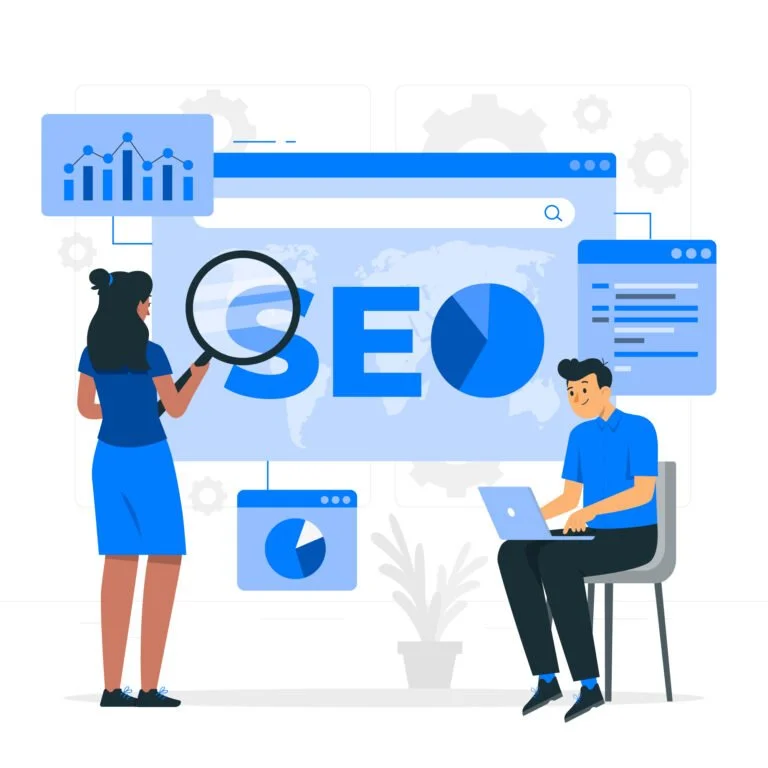
What is AI SEO, GEO and LLM Optimization? The Future of SEO in 2026

Advanced SEO Guide - 2026 Edition

What is AI SEO, GEO and LLM Optimization? The Future of SEO in 2026

Traditional SEO is no longer enough. Search has fundamentally changed. Millions of people now get their answers directly from ChatGPT, Perplexity, Google AI Overviews, and Gemini without ever clicking a single search result. If your website is not showing up in these AI-generated answers, you are invisible to a massive and rapidly growing audience. This guide explains everything you need to know about AI SEO, GEO, and LLM Optimization and exactly what to do about it in 2026.

AI SEO, GEO and LLM Optimization guide for the future of SEO in 2026
🌍

1. How Search Has Changed in 2026

The biggest shift in search since Google was invented.

For over two decades, SEO meant one thing: rank higher on Google. Get to page one, get clicks, get traffic. That model is still alive, but it is no longer the complete picture. Search has fundamentally split into two completely different experiences in 2026.

The first is traditional search. You type a query into Google, see a list of ten blue links, and click the one that looks most relevant. This still happens billions of times a day. But the second experience is growing rapidly and it works completely differently. You ask ChatGPT, Perplexity, Google AI Overviews, or Gemini a question. Instead of showing you a list of links, the AI reads hundreds of web pages, synthesizes all the information, and gives you a single direct answer. Sometimes it cites sources. Sometimes it does not.

37.5M

Search-like prompts ChatGPT handles every single day

13%

Of all Google searches now show AI Overviews at the top

27%

Of US users now use AI tools instead of traditional search

58.5%

Of Google searches now end without any click at all

The Bottom Line: If your website only appears in traditional Google search results and is invisible in AI-generated answers, you are already missing a significant and growing portion of your potential audience. The time to act is right now, before your competitors do.

🤖

2. What Is AI SEO?

Not what most people think it means.

AI SEO stands for AI Search Engine Optimization. It is the practice of optimizing your website and content so that it gets discovered, cited, and recommended by AI-powered search engines like ChatGPT, Google AI Overviews, Perplexity, Gemini, and Copilot.

The goal is not just to rank on a traditional search results page. The goal is to become a source that AI systems trust, reference, and cite when generating responses to user questions. This is a fundamentally different objective from traditional SEO and it requires a different set of strategies.

Important: What AI SEO is NOT

The term "AI SEO" is used in two completely different ways and this causes a lot of confusion. Many people use it to mean "using AI tools like ChatGPT to do SEO tasks" such as writing blog posts with AI or using AI for keyword research. That is not what this guide is about.

This guide is about the other meaning: optimizing your content so that AI-powered search engines can find it, understand it, and include it in their answers. Think of it as "SEO for AI" rather than "AI for SEO." These are completely different goals.

📚

3. AI SEO, GEO, AEO and LLMO Explained

Four terms, one big idea - getting found in AI search.

The industry has not settled on a single name for this new discipline. You will encounter four different terms depending on who you are reading. All of them describe slightly different angles of the same core challenge: making your content visible in AI-powered search. Here is what each one means:

AI

AI SEO - AI Search Engine Optimization

The broadest umbrella term

AI SEO covers all strategies for getting your content discovered and cited by AI search platforms including ChatGPT, Perplexity, Gemini, Copilot, and Google AI Overviews. It is the master term that includes everything else on this list. When in doubt, use this term as it is the most widely understood.

GEO

GEO - Generative Engine Optimization

Being cited in AI-generated answers

GEO focuses specifically on getting your content cited in AI-generated summaries and answers. When ChatGPT or Google AI Overviews synthesizes a response from multiple web pages, GEO is about making your content one of those sources that gets cited. The focus is on being a reference source for AI answers, not just ranking in traditional search results.

AEO

AEO - Answer Engine Optimization

Direct answer extraction and featured snippets

AEO focuses on optimizing content for direct answer extraction. This includes Google featured snippets, voice assistant responses, and the concise answers AI tools pull directly from your content. If you have ever seen Google pull a paragraph from a webpage and display it at the very top of search results before all the links, that is AEO in action. The goal is to write content in a format that AI can easily extract and present as a direct answer.

LLMO

LLMO - Large Language Model Optimization

How LLMs understand and reference your brand

LLMO focuses specifically on how large language models like ChatGPT and Claude understand and reference your brand. This happens in two ways. First, through training data - LLMs learn from massive datasets of web content, so the more your brand is mentioned across the internet, the more these models know about you. Second, through live web search - when AI performs real-time searches, it reads current web pages and incorporates information about brands it finds there.

Simple Summary: All four terms point to the same goal. Get your content and brand visible and trusted by AI systems so they cite, reference, and recommend you when answering questions your potential customers are asking.

⚙️

4. How AI Search Engines Actually Work

Understanding the mechanics is essential before you can optimize for them.

To optimize for AI search, you need to understand how these systems actually find and use your content. The mechanics are fundamentally different from traditional search. Google shows you a list of pages and lets you choose which one to visit. AI search reads those pages for you, extracts the useful information, and writes a single answer. Traditional search ranks pages. AI search cites sources.

How AI Breaks Your Question into Smaller Searches

When you ask ChatGPT or Perplexity a question, the AI does not paste your full prompt into a search engine. Instead, it breaks your question into smaller sub-queries and searches for each one separately. This process is called "query fan-out" or "search grounding."

For example, if someone asks ChatGPT "What is the best digital marketing strategy for a small business in Pakistan in 2026?" the AI does not search for that entire sentence. Instead it might run three separate searches: "digital marketing strategy small business 2026," "best marketing channels Pakistan small business," and "affordable marketing tools small business." It reads the top results from each, combines the information, and generates one answer.

Key Insight: Your content does not need to match the exact long question users type into ChatGPT. It needs to rank well in Google for the shorter sub-queries that AI extracts from those questions. This is why strong traditional SEO is still the foundation of AI SEO.

Where Each AI Platform Gets Its Information

Different AI platforms search the web through different channels. Understanding this helps you know where to focus your optimization efforts:

CG
ChatGPT currently pulls live search results from Google through a third-party provider. Ranking well in Google directly affects your ChatGPT visibility right now.
GO
Google AI Overviews and AI Mode use Google's own search index. Your existing Google rankings are the direct foundation for visibility here.
PX
Perplexity uses a mix of search sources and its own web crawler. It is very transparent about sources and includes citations in almost every response.
GE
Gemini uses Google Search and the Google Knowledge Graph. Strong Google SEO translates directly to Gemini visibility.
CO
Copilot uses Bing's search index. Meta AI integrated into Facebook, Instagram, and WhatsApp also uses Bing for web search.

AI Search Results Change Every Time

This is one of the most important differences to understand. AI search is non-deterministic. Ask ChatGPT the same question five times and you will get five different answers with potentially different sources cited. This is fundamentally different from Google, where rankings stay relatively stable.

This means there is no "position number 1" in AI search. Instead of thinking about rank, think about share of voice. How often does your brand appear across many different responses to many different prompts? The higher your share of voice, the more your brand gets seen and trusted through AI search channels.

⚖️

5. AI SEO vs Traditional SEO

What stays the same and what changes completely.

AI search engine optimization and traditional SEO share the same DNA. Both reward high-quality content, strong authority, and solid technical fundamentals. But they measure success differently and require different ways of thinking. Here is a clear breakdown:

Factor Traditional SEO AI SEO
Success MetricRanking positionShare of voice (citation frequency)
Keyword FocusSpecific keyword phrasesConcepts, topics, semantic depth
Visibility TypeClicks to your websiteBrand mentions (often zero-click)
Result StabilityRelatively predictable rankingsChanges with every query
PlatformsPrimarily GoogleChatGPT, Perplexity, Gemini, Copilot, Meta AI
Content GoalRank in results pageBe cited in AI-generated answers
Link BuildingBacklinks are primary signalBacklinks plus unlinked brand mentions

Critical Point: You do not have to choose between traditional SEO and AI SEO. AI search engines like ChatGPT rely on live web search to answer questions. If your content does not rank well in Google or Bing, AI tools simply cannot find it. Traditional SEO is the foundation that makes AI SEO possible. Build both together.

🌐

6. Major AI Search Platforms in 2026

Know which platforms to optimize for and why each one matters.

The AI search landscape has expanded dramatically. Here is a breakdown of the major platforms you need to be aware of and optimize for in 2026:

ChatGPT by OpenAI

The most widely used AI tool with roughly 70% market share among AI search platforms. Currently pulls live search results from Google through a third-party provider. Referral traffic from ChatGPT is growing fast and tends to have high conversion rates. Ranking well in Google is your primary lever for ChatGPT visibility right now.

Google AI Overviews and AI Mode

Google is integrating AI directly into its core search experience. AI Overviews appear at the top of search results and synthesize information from multiple sources. Because these use Google's own index, your existing Google SEO work directly supports your visibility here. This is the easiest transition for anyone already doing traditional SEO.

Perplexity

A search-first AI tool built around source citations. Every response includes links to the original web pages. This makes it the most transparent AI search platform and the easiest one to track your citations on. Perplexity also has among the highest conversion rates of any AI platform for SaaS and e-commerce.

Gemini by Google

Google's AI assistant available as a standalone product and deeply integrated into Google Search. The fastest-growing AI platform in 2026. Optimizing for Google Search directly supports your Gemini visibility since both use Google's search index.

Copilot and Meta AI

Microsoft Copilot is available in Edge, Windows, and Office products and uses Bing's search index. Meta AI is integrated into Facebook, Instagram, and WhatsApp and also uses Bing for web search. Together they reach billions of users. Do not ignore Bing optimization if you want visibility across these platforms.

🔓

7. Step 1 - Make Sure AI Bots Can Read Your Site

The most important step and the most commonly missed.

This is the single most important step in AI SEO and the one that most websites fail at without even realizing it. If AI crawlers cannot access and read your content, absolutely nothing else on this page will matter. You could have the most perfectly optimized content in the world and it will be completely invisible to AI systems if they are blocked from reading it.

Check Your robots.txt File:

Many websites block AI crawlers through their robots.txt file without realizing it. Go to yourwebsite.com/robots.txt and check whether any of these AI crawlers are blocked: GPTBot (ChatGPT), ChatGPT-User, PerplexityBot, ClaudeBot, and Google-Extended. If they are listed under "Disallow," remove those blocks immediately.

Check Your Hosting and CDN Settings:

Some hosting providers and content delivery networks block AI bots at the network level. If you use Cloudflare, check your bot management settings. Cloudflare recently changed its default to block AI crawlers automatically, which means many Pakistani websites running on Cloudflare may be completely invisible to AI search engines without the website owner knowing.

Make Sure Content Is in the HTML:

AI crawlers do not execute JavaScript. They read the raw HTML your server returns. If your content loads dynamically through JavaScript, AI bots see an empty page. Content hidden behind tabs, accordions, dropdown menus, or interactive sliders is also invisible to AI crawlers. If the information matters for your ranking, put it directly in the open HTML of the page.

Quick Action: Right now, open a new tab and go to yourwebsite.com/robots.txt. Look for any lines that say "Disallow: /" under GPTBot, PerplexityBot, or ClaudeBot. If you find them, removing those lines could immediately open your site to AI search visibility.

🎯

8. Step 2 - Target the Sub-Queries AI Actually Searches For

AI does not search for what users type. It searches for what it extracts from what users type.

Remember how AI search works. When a user asks ChatGPT a complex question, the AI breaks it into shorter, more specific sub-queries and searches for each one separately. Your content needs to rank well for those sub-queries, not for the original long user prompt.

How to Target AI Sub-Queries:

  • Start by identifying the broad questions your target audience asks AI tools
  • Break those questions down into the shorter, more specific fragments an AI would search for
  • Create or optimize content that directly and concisely answers each sub-query
  • Use clear, specific headings that match these sub-queries - "Pricing" tells AI nothing, "Digital Marketing Agency Pricing in Pakistan 2026" tells it everything
  • Optimize for short, conversational search phrases as well as traditional longer keywords

Pakistan Example:

If a user asks ChatGPT "How do I grow my business online in Pakistan in 2026?" the AI might search for these sub-queries: "online business growth Pakistan," "digital marketing strategies Pakistan," "best platforms for Pakistani businesses," and "e-commerce growth Pakistan 2026." Your content should target these specific shorter phrases, not just the broad original question.

📐

9. Step 3 - Structure Content for AI Extraction

Make it easy for AI to find, understand, and cite your content.

AI systems do not quote entire articles. They extract specific passages, sentences, or facts from your content. Content that is structured for easy extraction gets cited far more often than dense, hard-to-parse prose. Here is how to structure your content for maximum AI visibility:

Content Structure Checklist for AI SEO:

  • Start each section with the key takeaway - do not save the important point for the end of a paragraph
  • Write short, self-contained paragraphs of 2 to 3 sentences - each should make sense on its own
  • Use descriptive, specific headings - "ChatGPT User Growth Statistics 2026" not just "The Numbers"
  • Use bullet points, numbered lists, and comparison tables - structured formats are much easier for AI to parse
  • Include clear, concise definitions for key terms - AI frequently quotes well-written definitions
  • Add a FAQ section with direct question-and-answer format - AI loves extracting FAQ content for direct answers
  • Add schema markup (Article, FAQPage, HowTo) to give AI systems explicit context about your content type
  • Include statistics, data points, and specific numbers - AI prioritizes factual, citable information
📅

10. Step 4 - Keep Content Fresh

AI has a strong preference for recent content. Stale content gets cited less.

AI systems have a strong recency bias. Research shows that the moment content becomes more than 3 months old, AI citation rates for that page drop significantly. This is very different from traditional SEO where an evergreen article can rank well for years without updates.

Content Freshness Strategy:

  • Treat your most important pages as living documents that get updated regularly, not one-time publications
  • Review and refresh key pages at least once every quarter - update statistics, replace outdated examples, add recent developments
  • Always display a clear "Last Updated" date on your blog posts and articles
  • When you update a page, also update the published or modified date in your WordPress settings
  • Add new sections to existing posts rather than always creating new content - this signals freshness while growing the depth of existing pages
  • Monitor which AI platforms are citing your competitors and check how recently their cited content was updated

Action for Pakistani Bloggers: Go through your existing blog posts right now. Any post older than 3 months should be reviewed and updated with current statistics, examples relevant to 2026, and any new developments in the topic. This single action can meaningfully increase how often AI tools cite your older content.

📣

11. Step 5 - Build Brand Mentions Across the Web

Unlinked mentions are as powerful as backlinks for AI SEO.

Traditional SEO is heavily focused on backlinks. AI SEO adds a completely new dimension: unlinked brand mentions. The more your brand is mentioned across the web, even without a link, the more AI systems associate your brand with your topic area and the more likely they are to reference you in answers.

How to Build Brand Mentions for AI SEO:

  • Get mentioned in content AI already cites: Search ChatGPT and Perplexity for questions in your niche. Look at which sources they cite. Reach out to those website owners and contribute quotes, data, or guest content that includes your brand name.
  • Be active in Pakistani online communities: Contribute genuinely helpful answers in relevant Facebook groups, LinkedIn discussions, Reddit communities, and industry forums. Every mention of your brand or website in these communities is a potential AI training signal.
  • Publish original research and data: Create surveys, collect data, and publish original statistics about your industry in Pakistan. Original data gets cited by other writers, journalists, and AI systems far more than opinion content.
  • Get featured in Pakistani media: A mention in Dawn, Geo, The News, or popular Pakistani blogs builds both traditional SEO authority and AI brand recognition simultaneously.
  • Create an llms.txt file: This is an emerging standard where you place a simple text file at yourwebsite.com/llms.txt that describes your brand and key content for AI systems. It is like a robots.txt but for AI understanding rather than AI crawling access.
🔎

12. Step 6 - Optimize for Both Google and Bing

Bing powers Copilot and Meta AI - do not ignore it.

Most Pakistani website owners focus entirely on Google and ignore Bing completely. In traditional SEO, this was somewhat understandable since Google dominates search in Pakistan. But in 2026, ignoring Bing means being invisible on Copilot and Meta AI, which collectively reach billions of users through Microsoft products, Facebook, Instagram, and WhatsApp.

How to Optimize for Bing:

  • Create a free Bing Webmaster Tools account at webmaster.bing.com and verify your website
  • Submit your XML sitemap to Bing Webmaster Tools just as you did for Google Search Console
  • Monitor your Bing rankings for your most important keywords using Bing Webmaster Tools
  • The same on-page SEO practices that work for Google also work for Bing - focus on content quality, clear headings, and fast page speed
  • Check if your site is indexed in Bing by searching "site:yourwebsite.com" in Bing's search bar

Remember: ChatGPT previously used Bing for its search grounding and could switch back at any time since it has no official deal with Google. Getting your site properly indexed in Bing is a low-effort step that protects your AI search visibility across multiple platforms simultaneously.

🇵🇰

13. AI SEO for Pakistani Websites and Businesses

The unique opportunity and challenges for Pakistani digital marketers.

For Pakistani websites, bloggers, and businesses, AI SEO presents a particularly exciting opportunity. While the global competition for traditional SEO is extremely fierce, the AI SEO landscape is still wide open in Pakistan. Almost no Pakistani websites are actively optimizing for AI search engines in 2026, which means early movers have a significant first-mover advantage.

Specific AI SEO Tips for Pakistani Websites:

  • Create Pakistan-specific content that AI cannot find elsewhere: When someone asks ChatGPT "What is the best digital marketing agency in Karachi?" it needs sources to cite. If your content is the only comprehensive resource on Pakistani digital marketing, you become the default citation for AI answers about your niche in Pakistan.
  • Use both English and Roman Urdu: Many Pakistani users ask AI questions in a mix of English and Roman Urdu. Creating content that naturally includes common Pakistani phrases and terminology can help you capture these queries.
  • Cover Pakistan-specific statistics and data: AI loves citing specific data. Publishing statistics about Pakistan's digital economy, e-commerce growth, freelancing market, or internet usage gives AI systems unique factual content to reference when answering questions about Pakistan.
  • Build authority in Pakistani online spaces: Active participation in Pakistani Facebook groups, LinkedIn communities, and relevant Pakistani forums builds brand mentions that signal authority to AI systems training on Pakistani web content.
  • Target questions Pakistanis ask AI: Think about what questions Pakistani entrepreneurs, freelancers, and business owners are typing into ChatGPT. Create content that directly and comprehensively answers those specific questions.

Real Opportunity: A Pakistani digital marketing blog that consistently publishes high-quality, Pakistan-specific content optimized for AI search could become the go-to source that ChatGPT, Perplexity, and Gemini cite for every Pakistan-related digital marketing question. That level of AI visibility is achievable right now because almost nobody in Pakistan is competing for it yet.

📊

14. How to Measure Your AI Search Visibility

Traditional SEO metrics do not tell the full story for AI search.

There is no single ranking position to track in AI search. Results change with every query and most interactions are zero-click. You need new metrics and new approaches to understand how visible you are in AI search.

Share of Voice

The most important metric for AI SEO. Track how frequently your brand appears in AI responses across a broad range of prompts related to your topic. You can do this manually by regularly asking ChatGPT, Perplexity, and Gemini questions in your niche and checking whether your brand appears.

AI Referral Traffic

Check your Google Analytics 4 for referral traffic from chat.openai.com, perplexity.ai, gemini.google.com, claude.ai, and copilot.microsoft.com. Traffic from AI platforms tends to be higher quality and more engaged than standard organic traffic.

AI Crawler Activity

Check your server logs for AI bot user agents including GPTBot, ChatGPT-User, PerplexityBot, ClaudeBot, and Google-Extended. Active AI crawling of your content is a positive signal that your pages are being read and potentially used in AI responses.

Manual Citation Testing

Regularly ask ChatGPT, Perplexity, and Gemini questions about your niche and note which sources they cite. Track whether your website appears and how often. Note which competitors consistently appear so you can analyze what they are doing differently.

⚠️

15. Common AI SEO Mistakes to Avoid

The errors that keep websites invisible in AI search.

  • Blocking AI crawlers without knowing it: The single most common mistake. Check your robots.txt and hosting settings for AI bot blocks right now. Many Pakistani websites running Cloudflare may have this issue without realizing it.
  • Hiding content behind JavaScript: AI crawlers do not render JavaScript. Content in tabs, accordions, sliders, or loaded dynamically is completely invisible to AI. Put important content directly in the HTML.
  • Letting content go stale: Content older than 3 months gets cited significantly less often by AI systems. Refresh your most important pages at least quarterly.
  • Ignoring Bing completely: Copilot and Meta AI use Bing. ChatGPT could switch back to Bing at any time. If you only optimize for Google, you are leaving major AI search channels uncovered.
  • Confusing "AI for SEO" with "SEO for AI": Using ChatGPT to write your blog posts is not AI SEO. AI SEO is about making your content visible in AI-generated answers. These are completely different strategies with different goals.
  • Treating AI SEO as separate from traditional SEO: AI search engines rely on traditional search to find content. Abandoning traditional SEO for AI SEO does not work. Build both together for maximum impact.
  • Expecting immediate results: AI SEO is a medium to long-term strategy. Building the authority and content depth that AI systems trust takes consistent effort over months. But the brands that start now will have a compounding advantage as AI search adoption continues to grow rapidly.

16. Frequently Asked Questions

Common questions about AI SEO, GEO and LLM optimization.

Q: Is traditional SEO dead because of AI search?

No. Traditional SEO is actually more important than ever because AI search engines like ChatGPT and Perplexity use live Google and Bing search results to generate their answers. If your content does not rank well in traditional search, AI tools simply cannot find it. Traditional SEO is the foundation that makes AI SEO possible.

Q: How do I get my website cited by ChatGPT?

First, make sure AI bots can access your site by checking your robots.txt file. Then rank well in Google for relevant keywords since ChatGPT currently pulls from Google search results. Structure your content for easy AI extraction with clear headings, short paragraphs, and specific data points. Keep content updated regularly and build brand mentions across the web.

Q: What is the difference between GEO and AEO?

GEO (Generative Engine Optimization) focuses on getting your content cited as a source in AI-generated summaries and answers. AEO (Answer Engine Optimization) focuses on getting your content extracted as a direct answer to a specific question, like Google featured snippets or voice assistant responses. Both are part of the broader AI SEO strategy.

Q: Does AI SEO work for small Pakistani websites?

Yes, and small Pakistani websites actually have a significant advantage right now because almost no Pakistani websites are actively optimizing for AI search. A well-structured, regularly updated, Pakistan-focused website can become a go-to AI citation source in its niche before larger competitors even realize AI SEO is something they should be doing.

Q: How long does it take to see results from AI SEO?

Quick wins like unblocking AI crawlers and improving content structure can show results within weeks. Building broader brand authority and consistent AI citations is a longer-term effort of 3 to 6 months of consistent work. The important thing is to start now because the AI search landscape is changing rapidly and early movers will have a lasting advantage.

Q: What is an llms.txt file and do I need one?

An llms.txt file is an emerging standard where you place a simple markdown text file at yourwebsite.com/llms.txt that describes your brand, products, and key content in a format optimized for AI systems. Think of it as helping AI systems understand your website's purpose and content. It is not yet required but is a low-effort early investment that may become more important as AI search standards evolve.

🏁

Conclusion

AI SEO, GEO, AEO, and LLM Optimization are not future concepts. They are happening right now and they are reshaping how people discover content, brands, and businesses online. The websites and marketers who understand this shift today and begin optimizing for it will have a compounding advantage that will only grow larger as AI search adoption continues to accelerate.

For Pakistani digital marketers, bloggers, and business owners, the opportunity is exceptional. The AI SEO landscape in Pakistan is virtually untouched. Almost no local websites are actively working to get cited by ChatGPT, Perplexity, or Google AI Overviews for Pakistan-specific queries. The window to establish yourself as the go-to AI citation source in your niche is wide open right now but it will not stay open forever.

Start with the fundamentals. Check that AI bots can access your site. Keep your content fresh and well-structured. Build brand mentions across Pakistani online communities. Optimize for Bing as well as Google. And above all, keep producing genuinely helpful, Pakistan-specific content that no other source provides. That is the content AI systems will keep coming back to cite.

Found this guide helpful? Share it with a Pakistani marketer or blogger who needs to understand the future of SEO. Explore more advanced digital marketing and AI guides at Digitalboxes.net.

Complete On-Page SEO Checklist for 2026 - Rank Higher on Google

SEO Checklist - 2026 Edition

Complete On-Page SEO Checklist for 2026 - Rank Higher on Google

On-page SEO is the foundation of every successful website. Without it, even the best content sits invisible on page 10 of Google. This complete checklist covers every on-page SEO factor you need to optimize in 2026 - from your title tags and meta descriptions all the way to content structure, image optimization, and internal linking. Bookmark this page and use it every time you publish a new post or page.

Complete on-page SEO checklist for 2026 to rank higher on Google
💡

1. What Is On-Page SEO?

The SEO factors you fully control on your own website.

On-page SEO refers to all the optimizations you make directly on your website pages to help them rank higher in Google search results. Unlike off-page SEO (which involves backlinks and external signals), on-page SEO is entirely within your control. This makes it the most important place to start for any website owner, blogger, or Pakistani business looking to grow organic traffic.

On-page SEO tells Google three things about your content: what your page is about, how relevant it is to a specific search query, and how good an experience it provides to the reader. When done correctly, on-page SEO can be the difference between ranking on page 1 and being completely invisible online.

68%

of online experiences begin with a search engine

75%

of users never scroll past the first page of Google

53%

of all website traffic comes from organic search

🔍

2. Keyword Research and Targeting

Every great page starts with the right keyword.

Before you write a single word, you need to know what keyword you are targeting. Every page on your website should be optimized for one primary keyword and a handful of related secondary keywords. This is called keyword targeting and it is the foundation of effective on-page SEO.

Keyword Research Checklist:

  • 1Identify one primary keyword for each page (example: "on-page SEO checklist")
  • 2Choose a keyword with decent search volume but manageable competition
  • 3Target long-tail keywords for less competition (example: "on-page SEO checklist for beginners 2026")
  • 4Identify 3 to 5 related secondary keywords to use naturally throughout the content
  • 5Understand the search intent behind your keyword - is the user looking for information, a product, or a local service?
  • 6Use free tools like Google Keyword Planner, Ubersuggest, or Google Search Console to find keywords

Pro Tip for Pakistani Websites: Always check if there is a local version of your keyword. For example, instead of just targeting "digital marketing agency," target "digital marketing agency Karachi" or "best SEO services in Lahore." Local keywords have less competition and convert better for Pakistani businesses.

🏷️

3. Title Tag Optimization

The single most important on-page SEO element.

Your title tag is the clickable headline that appears in Google search results. It is the most important on-page SEO element because it directly tells Google and searchers what your page is about. A well-optimized title tag can significantly improve both your rankings and your click-through rate.

Title Tag Checklist:

  • Include your primary keyword naturally in the title tag
  • Place the primary keyword as close to the beginning of the title as possible
  • Keep title tags between 50 and 60 characters to avoid being cut off in search results
  • Make every title tag unique - no two pages should have the same title
  • Write titles that are compelling and make users want to click, not just keyword-stuffed
  • Include the current year for evergreen content (example: "SEO Checklist 2026") to appear fresh and relevant
  • Add power words where natural: "Complete," "Ultimate," "Beginner's Guide," "Step-by-Step"

Good vs Bad Title Tag Examples:

Bad: "SEO Tips" (too vague, no year, not compelling)

Bad: "SEO Tips and Tricks for SEO Beginners in SEO 2026" (keyword stuffing)

Good: "Complete On-Page SEO Checklist for 2026 - Rank Higher on Google"

Good: "10 On-Page SEO Tips That Actually Work in 2026"

📝

4. Meta Description Optimization

The snippet that convinces searchers to click your result.

The meta description is the short paragraph that appears below your title tag in Google search results. While it is not a direct ranking factor, a well-written meta description significantly improves your click-through rate, which indirectly improves your rankings. Think of it as your free advertisement in Google.

Meta Description Checklist:

  • Keep meta descriptions between 150 and 160 characters
  • Include your primary keyword naturally in the description
  • Write a compelling description that clearly explains what the page offers
  • Include a subtle call to action like "Learn how," "Discover," or "Find out"
  • Make every meta description unique across your entire website
  • Match the search intent - if someone wants a checklist, your description should promise one
  • Never leave the meta description blank - Google will auto-generate one that may not be ideal

Example of a Strong Meta Description: "Use this complete on-page SEO checklist for 2026 to optimize every page on your website. Covers title tags, content, images, speed, and more. Bookmark it today."

Character count: 158 - Perfect length with keyword included and a clear call to action.

🔗

5. URL Structure

Clean, simple URLs that Google and users both love.

Your URL structure is a small but important on-page SEO signal. A clean, descriptive URL tells both Google and users what a page is about before they even click on it. Many Pakistani websites use default WordPress URLs with numbers and question marks, which is a missed SEO opportunity.

URL Structure Checklist:

  • Include your primary keyword in the URL slug
  • Keep URLs short and descriptive - ideally under 60 characters
  • Use hyphens between words, never underscores or spaces
  • Use lowercase letters only in your URL
  • Remove unnecessary words like "and," "the," "a," and "of" from URLs
  • Never change a URL after it has been published and indexed - use 301 redirects if you must

Good vs Bad URL Examples:

Bad: digitalboxes.net/?p=1234

Bad: digitalboxes.net/blog/the-complete-guide-to-on-page-seo-optimization-tips-and-tricks-for-beginners

Good: digitalboxes.net/blog/on-page-seo-checklist-2026

Good: digitalboxes.net/blog/local-seo-pakistan

📐

6. Heading Tags (H1, H2, H3)

Structure your content so Google and readers can navigate it easily.

Heading tags (H1, H2, H3) create a content hierarchy that helps both Google and readers understand the structure of your page. Properly used headings make your content easier to read, improve user experience, and give Google important signals about your page's topic and subtopics.

Heading Tag Checklist:

  • Use only ONE H1 tag per page - this is your main page title and should contain your primary keyword
  • Use H2 tags for main section headings throughout your content
  • Use H3 tags for subsections within your H2 sections
  • Include your primary keyword in at least one H2 heading naturally
  • Include related keywords and LSI keywords in other H2 and H3 headings
  • Keep headings descriptive and helpful - they should tell the reader exactly what each section covers
  • Do not skip heading levels - go H1 to H2 to H3, not H1 directly to H3

WordPress Tip: In the WordPress Gutenberg editor, your blog post title automatically becomes your H1 tag. When adding headings inside your content, start with H2 for main sections. Never manually create an H1 inside your blog post body - you will end up with two H1 tags which confuses Google.

📄

7. Content Optimization

Writing content that satisfies both Google and your readers.

Content is the most important on-page SEO factor of all. Google's entire job is to match searchers with the most helpful, relevant, and trustworthy content available. If your content genuinely answers the user's question better than your competitors, Google will reward you with higher rankings.

Content Quality Checklist:

  • Write a minimum of 1,000 words for blog posts - aim for 1,500 to 2,500 for competitive topics
  • Include your primary keyword in the first 100 words of your content
  • Use your primary keyword 3 to 5 times naturally throughout the content - never force it
  • Include related keywords and synonyms naturally throughout the content
  • Break content into short paragraphs of 2 to 4 sentences for easy reading
  • Use bullet points, numbered lists, and tables to make information easy to scan
  • Add a FAQ section to capture featured snippet opportunities on Google
  • Cover the topic more comprehensively than your top 3 competitors on Google
  • Include real examples, case studies, or original insights to demonstrate E-E-A-T
  • Update old content regularly - freshness is a ranking signal for Google in 2026

E-E-A-T Reminder: Google evaluates content based on Experience, Expertise, Authoritativeness, and Trustworthiness. Add an author bio to your posts, cite credible sources, include original examples, and keep your content accurate and up to date to improve your E-E-A-T signals.

🖼️

8. Image Optimization

Faster loading images that also rank in Google Image Search.

Images make your content more engaging and help with rankings, but unoptimized images are one of the biggest causes of slow page speed - especially on mobile. Proper image optimization improves both your SEO rankings and your page load time, which directly impacts your Core Web Vitals score.

Image Optimization Checklist:

  • Compress every image before uploading using TinyPNG.com or ShortPixel
  • Use WebP format instead of JPG or PNG where possible - WebP files are 25 to 35% smaller
  • Write descriptive alt text for every image including your keyword where relevant
  • Name image files descriptively before uploading (example: on-page-seo-checklist-2026.jpg not IMG1234.jpg)
  • Set the correct image dimensions - do not upload a 3000px wide image for a 600px display area
  • Add lazy loading to all images below the fold using the loading="lazy" attribute
  • Add a caption to key images where it adds context for the reader

WordPress Tip: Install the free Smush or ShortPixel plugin on your WordPress website to automatically compress and convert images to WebP format on upload. This alone can dramatically improve your page speed score without any manual effort.

🕸️

9. Internal Linking

Connect your pages to distribute authority and keep readers engaged longer.

Internal links are links from one page on your website to another page on your website. They help Google discover and index your pages, distribute page authority across your site, and keep readers engaged by guiding them to related content. Internal linking is one of the most underutilized on-page SEO techniques by Pakistani websites.

Internal Linking Checklist:

  • Add 3 to 5 internal links to every new blog post you publish
  • Use descriptive anchor text that tells the reader what the linked page is about
  • Link to your most important pages (services, about, key blog posts) more frequently
  • Go back to older blog posts and add internal links to your newer content
  • Link to related posts within the same topic cluster to build topical authority
  • Never use "click here" as anchor text - it gives Google no information about the linked page
  • Fix any broken internal links using a free tool like Broken Link Checker

Pro Tip: When you publish a new blog post on your website, immediately go to 2 or 3 of your existing related posts and add a link to the new post. This helps Google find and index your new content faster and shares authority from your existing pages to the new one.

🔧

10. Schema Markup

Help Google understand your content and earn rich search results.

Schema markup is structured data code that you add to your website to help Google better understand your content. When implemented correctly, schema can earn you rich results in Google like star ratings, FAQ dropdowns, recipe cards, and event details - all of which significantly increase your click-through rate.

Schema Markup Checklist:

  • Add Article schema to all blog posts (include headline, author, date, and image)
  • Add LocalBusiness schema to your homepage and contact page if you serve local customers
  • Add FAQPage schema to blog posts with FAQ sections to earn FAQ rich results
  • Add BreadcrumbList schema to help Google understand your site structure
  • Use the free Rank Math or Yoast SEO plugin on WordPress to add schema without coding
  • Test your schema using Google's Rich Results Test tool to verify it is working correctly

11. Page Speed and Core Web Vitals

A slow website loses rankings and customers both.

Page speed is a confirmed Google ranking factor. In 2026, Google measures page speed through Core Web Vitals - a set of metrics that evaluate the loading speed, interactivity, and visual stability of your pages. A slow website not only ranks lower but also frustrates users, especially Pakistani mobile users on slower connections.

Page Speed Checklist:

  • Test your page speed at pagespeed.web.dev and aim for 85+ on both mobile and desktop
  • Use a fast hosting provider - slow hosting is the number one cause of poor page speed in Pakistan
  • Install a caching plugin on WordPress (WP Rocket or W3 Total Cache are excellent options)
  • Compress and convert all images to WebP format before uploading
  • Enable a Content Delivery Network (CDN) like Cloudflare (free plan available) to serve content faster
  • Minimize and defer JavaScript and CSS files that are not needed for initial page load
  • Remove unnecessary plugins and heavy page builders that slow down your WordPress site

LCP

Largest Contentful Paint - should load in under 2.5 seconds

INP

Interaction to Next Paint - should be under 200 milliseconds

CLS

Cumulative Layout Shift - should be under 0.1 score

📱

12. Mobile Optimization

Google indexes your mobile site first - make sure it is perfect.

Google uses mobile-first indexing, which means it primarily uses the mobile version of your website for ranking decisions. With over 80% of Pakistani internet users accessing the web on smartphones, mobile optimization is not optional - it is essential for both SEO and user experience.

Mobile Optimization Checklist:

  • Test your website on Google's Mobile-Friendly Test tool (search.google.com/test/mobile-friendly)
  • Use a responsive WordPress theme that automatically adjusts to any screen size
  • Ensure all text is readable on mobile without zooming (minimum 16px font size)
  • Make all buttons and links large enough to tap easily on a touchscreen
  • Avoid intrusive pop-ups on mobile that cover the main content
  • Achieve a minimum mobile PageSpeed score of 70 - aim for 85 or higher
  • Make your phone number a tap-to-call link so mobile visitors can call you instantly

13. Full On-Page SEO Checklist Summary

Your complete quick-reference checklist to use every time you publish.

Bookmark this section and run through it every time you publish a new page or blog post on your website.

Before You Write

  • Identified primary keyword
  • Identified 3 to 5 secondary keywords
  • Understood search intent behind the keyword
  • Analyzed top 3 competing pages on Google

Title and Meta

  • Title tag includes primary keyword (50 to 60 characters)
  • Meta description written (150 to 160 characters)
  • URL slug is clean and includes keyword
  • Title and meta are unique (not duplicated from another page)

Content and Headings

  • One H1 tag with primary keyword
  • H2 tags for main sections with related keywords
  • Primary keyword in first 100 words
  • Content is 1,000 words minimum
  • FAQ section added for featured snippet opportunity
  • Author bio added to establish E-E-A-T

Images

  • All images compressed before uploading
  • Images converted to WebP format
  • Alt text added to every image
  • Image file names are descriptive
  • Lazy loading enabled on images

Links and Technical

  • 3 to 5 internal links added to related pages
  • External links to credible sources added where relevant
  • Schema markup added (Article, FAQ, LocalBusiness)
  • Page speed score is 85+ on desktop
  • Mobile speed score is 70+ (aim for 85+)
  • Page passes mobile-friendly test
  • Canonical tag is set correctly

14. Frequently Asked Questions

Common on-page SEO questions from Pakistani website owners.

Q: How long does on-page SEO take to show results?

On-page SEO improvements can start showing results within 2 to 8 weeks for pages that are already indexed. For new pages, it takes longer as Google needs to discover, crawl, and evaluate the content first. For Pakistani websites with older domains like a 7 year old site, results often come faster because Google already trusts the domain.

Q: How many keywords should I target per page?

Focus on one primary keyword per page and naturally incorporate 3 to 5 related secondary keywords throughout the content. Trying to target too many unrelated keywords on one page confuses Google and dilutes your page's focus. Each new keyword you want to target seriously should have its own dedicated page.

Q: Is on-page SEO more important than backlinks?

Both are important and work together. On-page SEO is the foundation - without it, even great backlinks cannot help you rank. Think of on-page SEO as building a strong house and backlinks as the reputation of that house in the neighborhood. You need both for long-term ranking success.

Q: Does keyword density still matter in 2026?

Strict keyword density (using a keyword exactly X% of the time) is no longer a relevant concept in 2026. Modern Google uses semantic understanding and looks at overall topic coverage rather than keyword counts. Focus on writing naturally and comprehensively about your topic, and use your keyword where it reads naturally. Avoid forcing it.

Q: What is the best free SEO plugin for WordPress in Pakistan?

Rank Math SEO is widely considered the best free SEO plugin for WordPress in 2026. It offers title tag and meta description editing, schema markup, XML sitemaps, breadcrumbs, and a built-in SEO score checker all for free. Yoast SEO is also an excellent alternative with a slightly more beginner-friendly interface.

🏁

Conclusion

On-page SEO is the most controllable and impactful part of your entire digital marketing strategy. Unlike backlinks which depend on other websites, or social media which depends on algorithms, on-page SEO is entirely in your hands. Every improvement you make to your title tags, content quality, image optimization, and page speed is a direct investment in your website's long-term visibility on Google.

For Pakistani websites and bloggers, the opportunity is enormous. Most local competitors are not applying even half of this checklist consistently. By implementing every item on this list, you will be ahead of the vast majority of Pakistani websites in your niche.

Do not try to do everything at once. Start with the fundamentals: optimize your title tags and meta descriptions, fix your URL structure, ensure your content covers the topic thoroughly, and compress your images. Then work through the rest of the checklist systematically. Consistent, steady improvement always beats a one-time rush of optimization.

Found this checklist helpful? Save it and share it with a fellow Pakistani blogger or business owner. Explore more SEO, AI, and digital marketing guides at Digitalboxes.net.

Local SEO Guide for Pakistani Businesses in 2026 – Rank Higher on Google

SEO Guide - 2026 Edition

Local SEO Guide for Pakistani Businesses in 2026 - Rank Higher on Google

If you own a business in Pakistan and your customers cannot find you on Google, you are losing sales every single day. Local SEO is the most powerful and affordable way for Pakistani businesses to get discovered online. Whether you run a restaurant in Karachi, a clinic in Lahore, or a boutique in Islamabad, this complete guide will show you exactly how to rank higher on Google and attract more local customers in 2026.

Local SEO guide for Pakistani businesses to rank higher on Google in 2026
💡

1. What Is Local SEO?

Understanding local search and why it is different from regular SEO.

Local SEO (Search Engine Optimization) is the process of optimizing your online presence so that your business appears in Google search results when people nearby search for your products or services. It is specifically focused on attracting customers from a specific geographic area, such as a city, neighborhood, or region.

For example, when someone in Karachi types "best pizza near me" or "digital marketing agency Lahore" into Google, the businesses that appear at the top are there because of strong Local SEO. These results appear in what is known as the "Local Pack" — the map section with three business listings that appears at the top of Google search results.

Regular SEO

  • - Targets a national or global audience
  • - Focuses on broad keywords
  • - Takes longer to show results
  • - More competitive and expensive

Local SEO

  • - Targets customers in a specific area
  • - Focuses on location-based keywords
  • - Shows results faster
  • - Less competitive, more affordable

Quick Fact: According to Google, 76% of people who search for something nearby on their smartphone visit a related business within 24 hours. Local SEO directly translates into real foot traffic and sales for Pakistani businesses.

🇵🇰

2. Why Local SEO Matters for Pakistani Businesses

The massive opportunity most Pakistani businesses are missing.

Pakistan has over 120 million internet users and smartphone penetration is growing rapidly. More Pakistanis than ever are using Google to find local businesses, services, and products. Yet the majority of small and medium businesses in Pakistan have little to no online presence. This creates a massive opportunity for businesses that invest in Local SEO now.

  • Low Competition: Most Pakistani businesses are not doing Local SEO properly, which means ranking on the first page is significantly easier here than in Western markets.
  • Mobile First Nation: Over 80% of internet users in Pakistan access the web via smartphones. Mobile searches like "near me" and "best [service] in [city]" are growing rapidly.
  • Free Traffic: Unlike paid ads, Local SEO brings you free, consistent traffic from people who are actively looking for what you offer.
  • Trust Building: Appearing at the top of Google makes your business look more credible and trustworthy to potential customers.
  • Levels the Playing Field: A small shop in Faisalabad can outrank a large competitor in Google if it has better Local SEO. Size does not matter as much as optimization.

Real Example: A small dental clinic in Gulshan-e-Iqbal, Karachi set up their Google Business Profile and optimized their website for local keywords. Within 3 months they were ranking on the first page for "dentist in Gulshan Karachi" and receiving 15 to 20 new patient inquiries per week from Google alone.

📍

3. Step 1 - Set Up Your Google Business Profile

The single most important step for Local SEO success.

Google Business Profile (formerly Google My Business) is a free tool from Google that lets you manage how your business appears in Google Search and Google Maps. It is the foundation of Local SEO and the single most important thing you can do to improve your local visibility. If you have not set this up yet, do it today.

How to Set Up Google Business Profile:

  • Go to business.google.com and sign in with your Google account
  • Click "Add your business" and enter your business name
  • Select the correct business category (restaurant, clinic, agency, etc.)
  • Add your complete address including city and area in Pakistan
  • Add your Pakistani phone number (starting with 92 or 0)
  • Add your website URL
  • Verify your business - Google will send a postcard with a code to your address

How to Fully Optimize Your Profile:

  • Business Description: Write a clear 250 word description including your city name and main services naturally
  • Business Hours: Always keep these accurate and update them for Eid and public holidays
  • Photos: Add at least 10 high quality photos of your shop, products, team, and interior. Businesses with photos get 42% more direction requests.
  • Services: List every service you offer with descriptions and prices where possible
  • Posts: Publish Google Posts weekly — promotions, updates, events, and new services
  • Q&A Section: Add your own frequently asked questions and answer them yourself
  • Attributes: Enable relevant attributes like "Online appointments," "Women-led," or "Halal food" where applicable

Pro Tip: Use your exact business name everywhere online. Do not use different variations. If your business is registered as "Al-Noor Medical Centre," use that exact name on Google, Facebook, your website, and everywhere else. Consistency is critical for Local SEO.

🔍

4. Step 2 - Find the Right Local Keywords

Target what your customers are actually searching for in Pakistan.

Local keywords are search terms that include a specific location along with a service or product. They are the foundation of your Local SEO strategy. Using the right local keywords on your website helps Google understand exactly where you are and what you offer.

Local Keyword Formula:

[Service/Product] + [City/Area]

Examples for Pakistan:

  • "digital marketing agency Karachi"
  • "web developer Lahore"
  • "wedding photographer Islamabad"
  • "best biryani near me Gulshan"
  • "accountant DHA Lahore"
  • "kids school Bahria Town Rawalpindi"
  • "graphic designer Faisalabad"

Free Tools to Find Local Keywords:

  • Google Search Autocomplete: Start typing your service and city in Google and see what suggestions appear. These are real searches people in Pakistan are making.
  • Google Keyword Planner: Free tool inside Google Ads. Set location to Pakistan and find monthly search volumes for your keywords.
  • Google Search Console: Shows you exactly what keywords people are already using to find your website.
  • Ubersuggest (Free): Enter a keyword and get hundreds of local keyword variations with search volume data.
  • Answer The Public: Shows question-based searches like "where to find best lawyer in Karachi" that are great for blog content.

Real Example: A catering business in Lahore was targeting the keyword "catering services." After local keyword research, they switched to "wedding catering services Lahore" and "corporate catering DHA Lahore." Their organic traffic increased by 180% in 60 days because these specific terms had less competition.

🖥️

5. Step 3 - Optimize Your Website for Local SEO

On-page changes that tell Google exactly where your business is located.

Your website needs to clearly signal to Google that you serve customers in a specific city or area of Pakistan. Here are the key on-page Local SEO optimizations every Pakistani business website needs:

Title Tags and Meta Descriptions:

  • Include your city name in your homepage title tag
  • Example: "Best Digital Marketing Agency in Karachi - Digitalboxes"
  • Write meta descriptions that mention your location and primary service

NAP Information (Name, Address, Phone):

  • Display your complete business name, address, and Pakistani phone number on every page
  • Put it in the footer so it appears site-wide
  • Use the exact same NAP format everywhere online
  • Add your address in text format, not just in an image

Location Pages:

  • If you serve multiple cities, create a separate page for each city
  • Example: /services/karachi, /services/lahore, /services/islamabad
  • Each page should have unique content about how you serve that specific city
  • Include a Google Maps embed on your contact and location pages

Schema Markup (LocalBusiness):

  • Add LocalBusiness schema markup to your website's code
  • This tells Google your business type, address, hours, and service area in a structured way
  • Use Google's free Structured Data Markup Helper tool to generate the code

Local Content:

  • Write blog posts about local topics related to your industry
  • Example for a real estate agency: "Best Residential Areas to Buy a Home in Lahore in 2026"
  • Mention local landmarks, neighborhoods, and areas naturally in your content

Real Example: An IT company in Islamabad added their full address to the footer, created separate service pages for Islamabad and Rawalpindi, and added LocalBusiness schema. They moved from position 34 to position 6 for "IT company Islamabad" within 8 weeks.

📋

6. Step 4 - Build Local Citations

Get your business listed on Pakistani and global directories.

A local citation is any online mention of your business name, address, and phone number. Citations help Google verify that your business is real and legitimate. The more consistent citations you have across trusted websites, the better your local rankings will be.

Top Pakistani Business Directories to List Your Business:

  • Rozee.pk - Pakistan's largest professional network
  • PakistanYP.com - Pakistan Yellow Pages directory
  • Hamariweb.com - Popular Pakistani web portal with business listings
  • Locally.pk - Local business discovery platform for Pakistan
  • OLX Pakistan - Great for service businesses and shops
  • Zameen.com - Essential for real estate businesses
  • Daraz.pk - For product-based businesses and retailers

Global Directories That Also Help:

  • Yelp - International business directory trusted by Google
  • Facebook Business Page - Essential for all Pakistani businesses
  • LinkedIn Company Page - Critical for B2B and professional services
  • Foursquare - Location-based platform used by many apps
  • Apple Maps - Important as iPhone usage grows in Pakistan

Critical Rule: Your business Name, Address, and Phone number must be EXACTLY the same on every directory. Even small differences like "Street" vs "St" or "0300" vs "+92300" can confuse Google and hurt your rankings. Use one consistent format everywhere.

7. Step 5 - Get and Manage Online Reviews

Reviews are one of the most powerful Local SEO ranking factors.

Online reviews are one of the strongest Local SEO signals. Businesses with more positive Google reviews consistently outrank competitors with fewer reviews. Pakistani customers increasingly check Google reviews before visiting a business, making reviews essential for both SEO and trust.

How to Get More Google Reviews:

  • Ask directly: After a positive customer experience, simply ask "Would you mind leaving us a Google review? It really helps our small business." Most satisfied customers are happy to do it.
  • WhatsApp follow-up: Pakistani customers are highly active on WhatsApp. Send a follow-up message after service with a direct link to your Google review page.
  • QR Code at your shop: Print a QR code that links directly to your Google review page and display it at your counter or billing area.
  • Add a review link to receipts: Include your Google review link at the bottom of invoices and receipts.
  • Respond to every review: Thank customers for positive reviews and professionally address negative ones. This shows Google and customers that you are an active, caring business.

How to Handle Negative Reviews:

  • Always respond calmly and professionally, never defensively
  • Acknowledge the issue and apologize where appropriate
  • Offer to resolve the problem offline with a contact number
  • Never delete or argue with negative reviews publicly
  • A professional response to a bad review often impresses potential customers more than the negative review hurts you

Real Example: A clothing boutique in Gulberg, Lahore started asking every customer for a Google review via WhatsApp. Within 2 months they went from 4 reviews to 67 reviews with an average rating of 4.8 stars. They jumped to position 2 in Google Maps for "women's boutique Gulberg Lahore."

📱

9. Step 7 - Mobile Optimization for Local SEO

Over 80% of local searches in Pakistan happen on mobile phones.

Mobile optimization is not optional for Local SEO in Pakistan — it is essential. The vast majority of "near me" and local searches in Pakistan are performed on smartphones. If your website loads slowly or does not display correctly on mobile, Google will rank you lower and customers will leave immediately.

Mobile Optimization Checklist for Pakistani Businesses:

  • Page Speed: Your website should load in under 3 seconds on mobile. Use Google PageSpeed Insights to check your score and fix issues. Aim for 85+ on mobile.
  • Responsive Design: Your website must automatically adjust to fit any screen size. Test it on multiple phone models common in Pakistan.
  • Clickable Phone Number: Your phone number should be a tap-to-call link so mobile users can call you with one tap.
  • Easy Navigation: Menus should be simple and thumb-friendly. Avoid small links that are hard to tap on a touchscreen.
  • Compress Images: Large images are the biggest cause of slow mobile loading. Use TinyPNG or ShortPixel to compress all images before uploading.
  • Avoid Popups: Intrusive popups on mobile are penalized by Google and frustrate Pakistani mobile users who are on slower connections.

Test Your Mobile Speed Right Now: Go to pagespeed.web.dev and enter your website URL. If your mobile score is below 70, fixing it should be your top priority. A faster mobile site directly improves your Local SEO rankings in Pakistan.

🛠️

10. Best Free Local SEO Tools for Pakistani Businesses

Powerful tools you can use right now without spending a rupee.

You do not need to spend money on expensive SEO software to improve your local rankings. These free tools are more than enough to get excellent results for most Pakistani businesses:

Google Business Profile Manager

The most important free tool for Local SEO. Manage your business listing, respond to reviews, post updates, and view insights about how customers find you. Access at business.google.com.

Google Search Console

Shows you exactly what keywords people use to find your website, which pages rank, and any technical errors Google finds. Essential for tracking your Local SEO progress.

Google PageSpeed Insights

Check your website's mobile and desktop speed scores. Provides specific recommendations for improving your page speed — critical for Pakistani mobile users.

Ubersuggest (Free Plan)

Find local keyword ideas, check your rankings, and analyze competitor websites. The free plan is sufficient for most small Pakistani businesses.

Google Analytics 4

Track how many visitors come to your website, where they come from, and what they do on your site. Essential for measuring the success of your Local SEO efforts.

⚠️

11. Common Local SEO Mistakes Pakistani Businesses Make

Avoid these costly errors that hurt your local rankings.

Many Pakistani businesses unknowingly make mistakes that prevent them from ranking locally. Here are the most common ones to avoid:

  • Inconsistent NAP Information: Using different phone numbers, addresses, or business name spellings across different websites. This confuses Google and hurts your rankings significantly.
  • Unclaimed or Incomplete Google Business Profile: Leaving your profile without photos, business hours, or a description is like having a shop with no signboard. Customers and Google both ignore incomplete profiles.
  • Ignoring Reviews: Not asking for reviews and not responding to existing ones. Reviews are one of the top Local SEO ranking factors and most Pakistani businesses completely ignore them.
  • No Location Pages: Businesses that serve multiple cities having only one generic page instead of dedicated location pages for each city they serve.
  • Keyword Stuffing: Unnaturally forcing location keywords into content makes it unreadable and can get your website penalized by Google. Use keywords naturally.
  • Slow Mobile Website: Having a beautiful desktop website that loads very slowly on mobile phones, losing the majority of Pakistani local searchers who use smartphones.
  • Not Tracking Results: Not using Google Search Console and Analytics to monitor what is working. Without data, you are guessing instead of improving based on real results.

12. Frequently Asked Questions

Common questions from Pakistani business owners about Local SEO.

Q: How long does Local SEO take to show results in Pakistan?

Most Pakistani businesses start seeing noticeable improvements within 2 to 3 months of consistent Local SEO efforts. Google Business Profile optimizations can show results even faster, sometimes within 2 to 4 weeks.

Q: Do I need a website for Local SEO?

While a Google Business Profile alone can help you rank in Google Maps without a website, having a website significantly increases your visibility and gives you much better ranking potential. A basic WordPress website is affordable and highly recommended.

Q: Is Local SEO free?

Yes, the core elements of Local SEO are completely free. Google Business Profile, Google Search Console, and directory listings cost nothing. You may choose to invest in paid tools or professional help later, but you can achieve excellent results with free resources alone.

Q: Does my business need to be registered to appear on Google?

No, you do not need official business registration to create a Google Business Profile. However, Google does verify that your business is real and operating at the address you provide. Home-based businesses in Pakistan can also list on Google using a service area setting without showing their home address.

Q: Can I do Local SEO for multiple locations in Pakistan?

Yes. If you have physical locations in multiple cities like Karachi, Lahore, and Islamabad, create a separate Google Business Profile for each location. Also create dedicated location pages on your website for each city you serve.

Q: Should I do Local SEO in Urdu or English?

It depends on your target audience. For businesses targeting educated professionals or corporate clients, English works best. For businesses targeting general consumers in smaller cities, consider adding Urdu content as well. Many successful Pakistani businesses use both languages on their websites to maximize reach.

🏁

Conclusion

Local SEO is one of the highest return investments a Pakistani business can make in 2026. Unlike paid advertising that stops the moment you stop spending, Local SEO builds a compounding online presence that keeps bringing in customers month after month. With most Pakistani competitors still ignoring it, the opportunity to rank on Google's first page has never been greater.

Start with the basics — set up your Google Business Profile, add consistent NAP information across directories, collect Google reviews from happy customers, and optimize your website for mobile. These steps alone will put you ahead of the majority of Pakistani businesses in your area.

Remember, Local SEO is not a one-time task. It is an ongoing process. The businesses that commit to it consistently for 6 to 12 months see dramatic improvements in their visibility, foot traffic, and revenue. Start today, stay consistent, and let Google do the work of bringing local customers directly to your door.

Found this guide helpful? Share it with a Pakistani business owner who needs more customers. And explore more digital marketing, SEO, and AI guides at Digitalboxes.net.
How AI is Revolutionizing SEO Strategies for Small Businesses in 2025

Guide • 2025 Edition

How AI is Revolutionizing SEO Strategies for Small Businesses in 2025

In the digital age of 2025, small businesses are no longer relying solely on traditional SEO tactics. With the rise of Artificial Intelligence (AI), SEO strategies have become more intelligent, automated, and result-driven. From keyword analysis to content generation and technical optimization, AI is leveling the playing field for entrepreneurs, freelancers, and small business owners, especially in emerging markets like Pakistan. This article explores how AI is transforming SEO for small businesses and which tools and strategies you should embrace to stay competitive.

AI-powered SEO analytics dashboard illustration for small businesses

🤖 What is AI-Powered SEO?

AI-powered SEO refers to the use of machine learning, data analysis, and natural language processing (NLP) to improve various aspects of search engine optimization. This includes:

  • Keyword research and clustering
  • Automated content creation
  • SERP analysis
  • Technical audits and on-page optimization

By integrating AI, small businesses can save time, reduce human error, and achieve better SEO performance without hiring large teams.

🚀 Key Benefits of AI SEO for Small Businesses

1) Faster and Smarter Keyword Research

Tools like Surfer SEO and Ahrefs now integrate AI to suggest keyword variations, user intent, and ranking difficulty. Small businesses in cities like Lahore or Karachi can target local SEO terms with high precision.

2) Content Optimization in Real-Time

Frase.io and Clearscope offer AI-generated content scores, heading suggestions, and keyword improvements—removing guesswork about what Google wants.

3) Competitor Analysis Made Easy

Semrush Copilot helps owners analyze competitors’ backlink strategies, top content, and keyword gaps.

4) Automated Technical SEO

Alli AI and Screaming Frog use AI to scan for broken links, slow pages, and improper tags—then produce clear action items.

5) Personalized User Experience

Search engines reward sites that adapt to user behavior. AI personalizes elements based on location, past visits, or browsing behavior—especially useful in regional markets like Pakistan.

🔧 Practical Ways to Use AI in Your SEO Strategy

1) Automate Blog Writing with Jasper AI

Use Jasper to generate articles, meta descriptions, and social posts—keeping content consistent without a full-time writer.

2) Enhance Local SEO with ChatGPT and Google Trends

Ask ChatGPT for long-tail keywords and pair results with Google Trends for Pakistan to reveal local opportunities.

3) Voice Search Optimization

Frase and MarketMuse help structure answers for conversational, voice-based queries—growing in both urban and rural areas.

4) AI Chatbots for Improved Dwell Time

Implement a chatbot (Tidio, ManyChat) to reduce bounce rate and increase engagement—two signals that support better rankings.

🌍 Why This Matters in Pakistan

AI SEO tools are especially valuable in emerging economies like Pakistan, where budgets are tight:

  • Freelancers can deliver agency-level results
  • Startups can compete with established brands
  • Local shops can rank in Google Maps and search results

Example: A home-based bakery in Islamabad optimized for “custom birthday cakes Islamabad” using AI SEO tools and saw a 3× increase in orders.

🧠 Final Thoughts

AI isn’t replacing marketers—it’s empowering them. For small businesses in 2025, AI SEO tools are no longer optional. They bridge limited resources with high-impact results. If you’re ready to grow using automation, AI, and search intelligence, now is the time to start.

Top 10 AI SEO Tools to Skyrocket Your Website Traffic in 2025

Guide • 2025 Edition

Top 10 AI SEO Tools to Boost Your Website Traffic in 2025

In 2025, AI SEO tools are no longer a luxury, they’re a necessity. Whether you're a freelancer, marketer, or small business owner in Pakistan or abroad, AI-powered SEO tools can help you gain a competitive edge, improve rankings, and drive massive traffic. This guide covers the 10 tools set to dominate this year.

Illustration of AI-powered SEO tools and analytics for 2025
SC

1. Semrush Copilot

AI assistant inside Semrush for custom insights and automation.

Semrush Copilot is an AI-powered assistant integrated into the broader Semrush platform. It provides customized SEO suggestions, competitive analysis, backlink insights, and keyword tracking based on real-time data.

Benefits:

  • Personalized SEO alerts and diagnostics
  • Competitor keyword overlap detection
  • Region-based insights ideal for targeting Pakistani keywords like “online business in Pakistan” or “Karachi digital marketing”

Use Case: A Lahore-based marketing agency used Semrush Copilot to automate weekly reports and improved their local keyword visibility by 60% in 3 months.

SU

2. Surfer SEO

NLP + SERP driven content optimization with scoring.

Surfer SEO analyzes and optimizes content structures. Using NLP and SERP data, it tells you exactly what to include to rank higher.

Benefits:

  • AI-generated content score
  • Content editor with real-time optimization tips
  • Data from Pakistani SERPs with location targeting

Use Case: An Islamabad blog publishing Urdu content increased engagement by 35% after adopting Surfer SEO.

JA

3. Jasper AI

GPT-powered content generation tailored to brand and keywords.

Jasper AI helps generate SEO-friendly content with templates and custom commands, and integrates with Surfer SEO for automatic optimization.

Benefits:

  • Templates for blogs, landing pages, and ads
  • Custom commands for meta tags and product pages
  • Works with Surfer SEO to align with SERP data

Use Case: An Etsy seller from Pakistan used Jasper to write product descriptions and saw an 80% increase in organic traffic.

CL

4. Clearscope

Keyword + topical coverage to boost relevance and depth.

Clearscope offers advanced keyword suggestions and topic coverage recommendations to strengthen topical authority.

Benefits:

  • Real-time content grading
  • Detailed SERP analysis
  • Integrates with Google Docs and WordPress

Use Case: A startup in Rawalpindi optimized long-form guides and doubled traffic in 6 weeks.

CG

5. ChatGPT (OpenAI)

Outlines, FAQs, emails, and full SEO articles with smart prompts.

ChatGPT helps create human-like content in multiple formats. Pair it with keyword research and clear briefs for best results.

Benefits:

  • Human-like writing across formats
  • Strong SEO headline ideation
  • Repurposes existing blogs quickly

Use Case: A digital coach in Karachi generated newsletters and blog updates, saving 30+ hours per month.

MM

6. MarketMuse

Content clusters and internal links for topical authority.

MarketMuse is excellent for building authority within a niche, finding gaps, and planning clusters.

Benefits:

  • Content gap discovery
  • Cluster planning and internal linking
  • Useful for competitive keywords

Use Case: A SaaS startup in Lahore increased Domain Authority by 12 points using MarketMuse strategies.

FR

7. Frase.io

Research briefs, snippet optimization, and voice search.

Frase speeds up research and helps you optimize for featured snippets and voice queries.

Benefits:

  • One-click content briefs
  • SERP competitor analysis
  • Voice search readiness

Use Case: A Pakistani freelance writer boosted retention with Frase-backed content plans.

AH

8. Ahrefs (AI-Enhanced)

Backlinks, keywords, audits, now with AI prioritization.

Ahrefs remains a gold standard for SEO pros, with AI now surfacing better opportunities and gaps.

Benefits:

  • Massive backlink and keyword database
  • AI-assisted site audits
  • Country-specific keyword data for Pakistan

Use Case: A Shopify store owner in Multan found untapped product trends via Ahrefs’ AI keyword explorer.

AL

9. Alli AI

No-code on-page + technical SEO changes, deployed live.

Alli AI lets non-technical users implement SEO improvements across pages quickly.

Benefits:

  • No-code SEO for non-technical users
  • Real-time deployment of SEO fixes
  • Great for WooCommerce and WordPress sites

Use Case: A blogger in Faisalabad reduced bounce rate by 20% after optimizing with Alli AI.

PX

10. Perplexity AI

Real-time research assistant for content ideas and FAQs.

Perplexity AI helps uncover what people are asking right now so you can create timely, relevant content.

Benefits:

  • Real-time web search integration
  • Built-in source citations
  • Great for idea generation and FAQs

Use Case: A Pakistani tech blog built a viral series from trending questions found with Perplexity.

Conclusion

AI SEO tools in 2025 have transformed digital marketing into a smart, data-driven process. Whether you're running an agency, freelancing, or operating a small e-commerce store in Pakistan, these tools provide the automation and precision required to outperform your competitors. Now is the time to integrate them into your strategy and stay ahead of the curve.