Trending Now - AI Commerce Guide
AI-Powered Hyper-Personalization and Agentic Chatbots - Pakistan's Hottest eCommerce Trend
Search "hot trending topic in Pakistan for AI and digital marketing" on Google right now and one answer dominates the AI Overview: AI-powered hyper-personalization and agentic chatbots in eCommerce and social commerce. This is not marketing jargon. It represents a fundamental shift in how Pakistani businesses sell online, moving from basic customer service bots to autonomous AI agents that analyze real-time intent and complete purchasing journeys automatically. Here is everything Pakistani business owners need to understand about this shift and how to act on it.
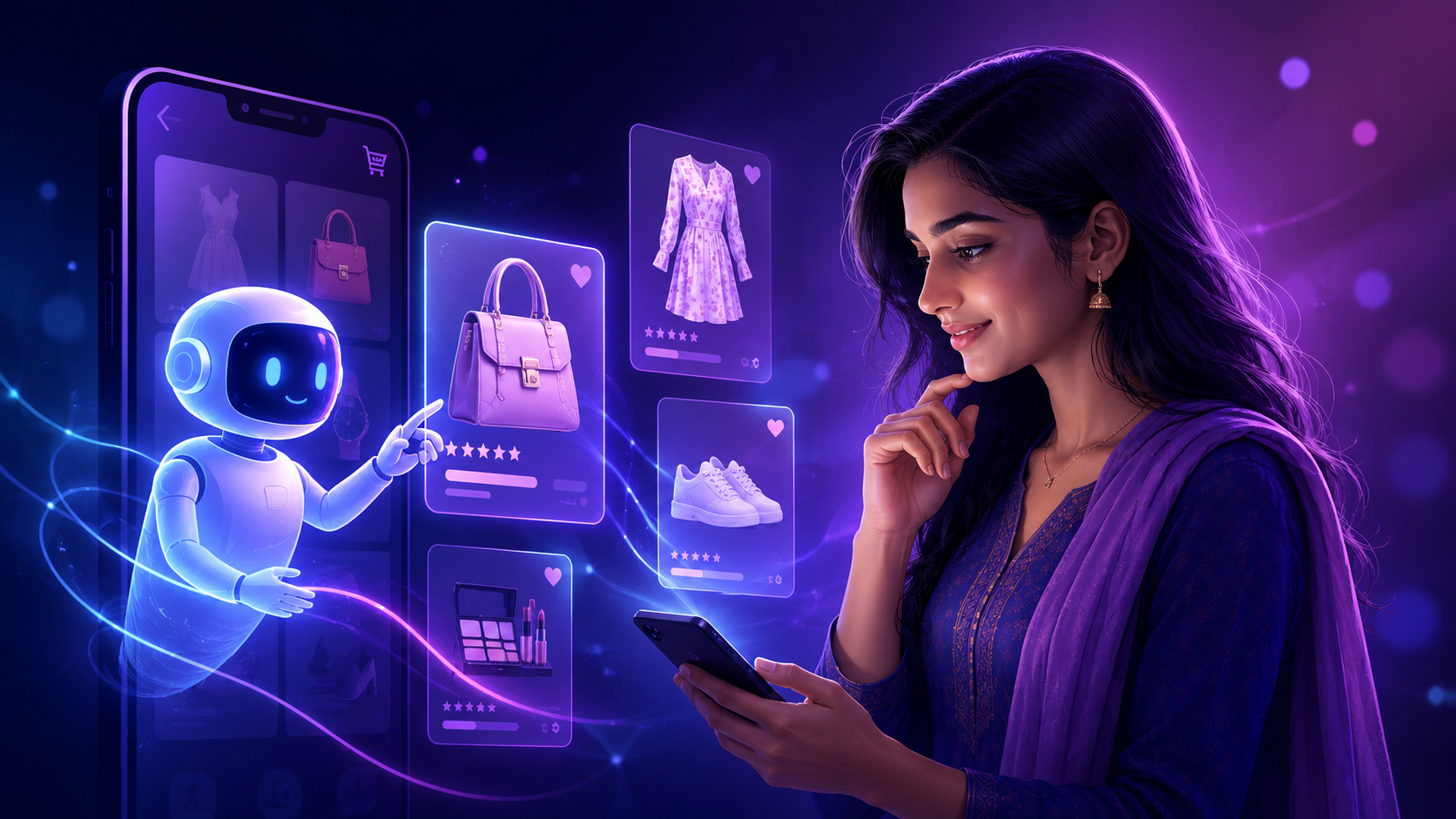
1. What is Hyper-Personalization and Agentic AI?
Breaking down the two big concepts behind this trend.
This trend is actually two closely related shifts happening simultaneously in eCommerce and social commerce. Understanding both separately makes the bigger picture much clearer.
AI Hyper-Personalization
Treating every single customer as a unique individual rather than a generic segment. Instead of showing every visitor the same homepage, same products, and same messaging, AI analyzes each person's real-time behavior, browsing history, and intent to deliver a completely tailored shopping experience just for them.
Agentic AI Chatbots
Chatbots that have evolved from simply answering questions to becoming autonomous shopping agents. These bots can actively compare products, find deals, negotiate-style interactions, and in some cases complete purchases on the customer's behalf without requiring a human to click through traditional checkout steps.
According to industry research on 2026 eCommerce AI trends, chatbots are evolving into fully autonomous shopping agents. A virtual assistant that not only answers questions but actively shops for the customer, comparing products, finding deals across sites, and even completing purchases automatically represents the leading edge of what is now called "agentic AI."
2. Why This Trend is Exploding Right Now
The convergence of technology and consumer behavior that created this moment.
This is not a trend that appeared out of nowhere. According to Stord's State of AI in eCommerce 2026 report, AI in eCommerce evolved through clear phases, from basic recommendation systems in the early machine learning era, to simple chatbots on platforms like Facebook Messenger, to today's "agentic commerce" phase where consumers use general-purpose AI tools as external shopping advisors that synthesize and compare information across retailers, trends, and prices.
51%
Of consumers now use AI for shopping according to Stord's 2026 report
4x
Higher conversion rate for shoppers who engage with AI chat assistants versus unassisted visitors
68%
Of consumers now expect chatbots to match the expertise of skilled human agents
The major AI platforms have made significant moves that accelerated this trend. According to Commercetools' analysis of 2026 agentic commerce trends, Perplexity launched a shopping experience with conversational product discovery and instant checkout. OpenAI introduced shopping research capabilities in ChatGPT with deep internet research across retail sites. Google launched agentic checkout across Google Search AI Mode and Gemini, with autonomous AI agents now able to execute purchases directly on merchant websites in select markets.
3. Hyper-Personalization Explained Simply
How treating every customer like a VIP actually works in practice.
According to research from LuxSite's 2026 eCommerce AI trends report, hyper-personalization means treating every customer as a VIP. It transforms a static website into a responsive, 24/7 personal shopper for each individual visitor. Here is what this looks like in practical terms:
What Hyper-Personalization Actually Does:
- Real-time intent analysis: AI tracks what a visitor clicks, hovers over, and how long they spend on each item to understand purchase intent as it develops, not just after the fact
- Dynamic homepage content: Two different customers visiting the same store at the same moment see completely different homepages, product arrangements, and offers based on their individual profile and behavior
- Personalized pricing and offers: AI can identify which customers are price-sensitive versus quality-focused and adjust which offers and messaging they see accordingly
- Predictive product suggestions: Rather than showing generic "best sellers," AI predicts what a specific individual is most likely to want next based on subtle behavioral signals
- Localized ad campaign optimization: AI automatically adjusts advertising targeting and messaging based on real-time regional and demographic response patterns, exactly as referenced in the trending Google search about Pakistan
The Business Impact: According to the same industry research, AI-driven personalization drives higher average order values, repeat purchases, and long-term loyalty. This is not a marginal improvement. It fundamentally changes the relationship between a customer and an online store from transactional to genuinely personalized.
4. Agentic Chatbots Explained Simply
The evolution from "answering questions" to "completing tasks autonomously."
The word "agentic" is doing a lot of work in this trend and deserves a clear explanation. A traditional chatbot is reactive. It waits for a question and provides a pre-programmed or AI-generated answer. An agentic AI chatbot is proactive and autonomous. It can take a goal, break it into steps, and execute those steps independently to achieve an outcome, much like a human assistant would.
Traditional Chatbot
- - Answers a single question
- - Follows pre-set decision trees
- - Cannot take independent action
- - Hands off to a human for complex tasks
- - Reactive only
Agentic AI Chatbot
- - Completes multi-step tasks independently
- - Compares products across multiple sources
- - Can complete purchases autonomously
- - Plans and adapts its approach in real time
- - Proactive and goal-driven
According to DigitalSense's comprehensive 2026 AI eCommerce guide, AI-powered digital agents now extend far beyond rule-based chatbots. They assist with product discovery, answer complex product and policy questions, compare prices, and in some cases autonomously purchase products on behalf of users for predefined, low-risk scenarios.
5. Real World Examples Already Live
This is not theoretical. Major platforms have already launched these features.
What makes this trend particularly significant is that it is not a future prediction. Major AI platforms have already deployed working versions of agentic commerce that Pakistani businesses need to understand right now:
Perplexity Shopping
According to Commercetools' 2026 trends report, Perplexity launched a free shopping experience featuring conversational product discovery, personalized product cards, and instant checkout powered by PayPal integration.
ChatGPT Shopping Research
OpenAI introduced shopping research capabilities in ChatGPT using advanced reasoning models for comparative product guides, real-time feedback loops, and deep internet research across retail sites simultaneously.
Google Agentic Checkout
Google launched agentic checkout across Google Search AI Mode and Gemini, enabling autonomous AI agents to execute purchases directly on merchant websites, with a "Buy for me" button functionality now live in selected retailers.
What This Means for Pakistani Sellers: As these AI shopping agents become more widespread globally, they will increasingly influence Pakistani consumers too, particularly tech-savvy younger shoppers in major cities. Businesses whose product data, descriptions, and pricing are not structured in a way these AI agents can easily understand risk becoming invisible to an entirely new category of AI-assisted shoppers.
6. The Conversion Data That Changes Everything
Why this trend deserves serious business attention, not just curiosity.
The numbers behind this trend are dramatic enough that Pakistani businesses cannot afford to dismiss this as a passing fad. According to recent eCommerce AI research, shoppers who engage with an AI chat assistant convert at roughly 4 times the rate of unassisted visitors, representing approximately a 12.3% conversion rate with AI chat versus 3.1% without.
| Metric | Impact |
|---|---|
| Conversion rate with AI chat assistant | 12.3% vs 3.1% baseline |
| Conversion rate increase from AI personalization | Up to 15% |
| Reduction in product returns | 25% reduction |
| Decrease in time to purchase | 47% faster |
| Consumers comfortable letting AI shop for them | 34% (2025 data) |
According to Omnichat's 2026 eCommerce trends analysis, retailers using AI-powered chatbots and conversational commerce solutions see conversion rates increase by up to 15% alongside a 25% reduction in product returns through better customer guidance before purchase.
7. Why This Matters Specifically for Pakistan
The local angle that makes this trend particularly significant right now.
According to Adex360's analysis of AI-powered digital marketing trends in Pakistan, digital marketing in Pakistan has matured rapidly, and businesses are no longer asking whether they should go digital. Instead the question has shifted to how they should leverage AI to stay competitive. In 2026, personalization goes far beyond using a customer's name. AI now enables brands to analyze audience behavior in depth, allowing the right message to reach the right person at the right time.
Why Pakistan is Particularly Positioned for This Shift:
- Mobile-first market: With over 70% of eCommerce traffic in Pakistan coming from mobile devices, conversational and chat-based AI experiences fit naturally into how Pakistani consumers already shop and communicate
- WhatsApp culture: Pakistan's massive WhatsApp adoption means consumers are already comfortable having conversational, chat-based interactions with businesses, making the transition to agentic chatbots a natural evolution rather than an unfamiliar leap
- Growing social commerce: As social commerce continues expanding toward an estimated 35% of total online retail sales by the end of 2026, AI-driven personalization within these social platforms becomes increasingly central to competitive advantage
- Cost-sensitive market with high expectations: Pakistani consumers expect personalized attention and good deals. AI agents that can find the best prices, compare options, and personalize recommendations align perfectly with these existing consumer expectations
The First-Mover Advantage: Most Pakistani eCommerce businesses are still using basic, rule-based chatbots if they use any AI chat tools at all. The businesses that move toward genuine hyper-personalization and more sophisticated AI agent capabilities now will establish a meaningful competitive advantage before this becomes standard practice across the market.
9. How Pakistani Businesses Can Start Implementing This
Practical steps that do not require an enterprise budget.
You do not need to build a custom AI agent system to begin benefiting from this trend. Here is a practical, accessible roadmap for Pakistani businesses of any size:
Upgrade from basic chatbots to AI-powered conversational tools
If you are using a simple rule-based chatbot with fixed menu options, upgrade to an AI-powered tool that can understand natural language and have genuine conversations with customers about their needs.
Structure your product data for AI discovery
Ensure your product titles, descriptions, and specifications are clear, structured, and detailed enough for AI shopping agents to accurately understand and compare your products against competitors.
Start basic personalization before going advanced
Begin with simple personalization wins like product recommendations based on purchase history before attempting more sophisticated real-time behavioral personalization.
Test AI chat assistance on your highest traffic pages
Given the 4x conversion lift data, prioritize adding AI chat assistance to your highest traffic product pages and categories first to maximize the impact of your initial investment.
Monitor and optimize based on real conversion data
Track conversion rates, time to purchase, and customer satisfaction before and after implementing AI personalization features to understand the genuine impact on your specific business.
10. Tools Available to Pakistani Businesses Right Now
Accessible options that do not require enterprise-level budgets.
Tidio and ManyChat (AI Chat Upgrades)
Both platforms now include AI-powered conversation capabilities that go beyond fixed menu trees, allowing more natural, personalized customer interactions. Free plans are available to start testing these capabilities.
Shopify's Native AI Features
For Pakistani businesses on Shopify, the platform's built-in AI personalization and recommendation features require minimal technical setup and provide an accessible entry point into this trend.
ChatGPT for Personalized Content at Scale
Use ChatGPT to create multiple personalized versions of product descriptions, email content, and ad copy targeted to different customer segments, an accessible first step toward broader personalization.
Meta and TikTok Ads Manager AI Features
Both advertising platforms have built-in AI optimization features for personalized ad delivery and localized campaign optimization that Pakistani businesses can activate within their existing ad accounts at no additional cost.
11. Why Humans Still Matter in an AI Agent World
This is augmentation, not replacement, and the data proves it.
Despite the excitement around AI agents and hyper-personalization, the research is clear that human involvement remains essential. According to Shopify's 2026 AI statistics report, 87% of consumers prefer a hybrid support model that combines human empathy with AI efficiency, rather than fully replacing human interaction.
The Balanced Approach for Pakistani Businesses: Use AI to handle routine questions, initial product discovery, and basic personalization at scale, freeing your human team to focus on complex queries, relationship building, and the kind of personal warmth that Pakistani customers particularly value in business interactions, especially for considered, higher-value purchases.
This aligns directly with what we covered in our WhatsApp Marketing guide for Pakistani businesses, where voice notes, personal follow-up, and genuine conversation remain among the most effective conversion tactics specifically because Pakistani consumers value relationship-driven buying experiences. AI should enhance this, not eliminate it.
12. Getting Your Business Ready for Agentic Commerce
Preparing for a future where AI agents shop on behalf of your customers.
Beyond personalizing your own customer interactions, a longer-term consideration is preparing your business to be discoverable and purchasable by AI shopping agents acting on behalf of customers, exactly as ChatGPT, Perplexity, and Google's agentic checkout features are already enabling globally.
Preparing for AI Agent Discovery:
- Ensure your website allows AI crawlers access, as covered in detail in our guide on AI SEO, GEO, and LLM Optimization
- Use clear, structured product schema markup so AI agents can accurately extract pricing, availability, and specifications
- Keep pricing and stock information accurate and updated in real time, since AI agents make purchasing decisions based on current data
- Build a strong reputation through reviews and brand mentions, since AI agents factor in trust signals when comparing options for customers
13. Frequently Asked Questions
Common questions from Pakistani business owners about this trend.
Q: Is this trend relevant for small Pakistani businesses or only large enterprises?
This trend is highly relevant for small businesses. Tools like Tidio, ManyChat, and Shopify's native AI features bring sophisticated personalization and AI chat capabilities within reach of small Pakistani eCommerce sellers at little to no cost. You do not need a custom-built AI system to benefit from this shift.
Q: Will agentic AI shopping agents replace the need for my own website or store?
No, but it changes how you need to present your business. As AI agents increasingly research and compare products on behalf of shoppers, having clear, accurate, well-structured product information becomes more important than ever, since AI agents need this data to accurately represent and recommend your business.
Q: How is this different from the basic chatbots many Pakistani businesses already use?
Most basic chatbots used by Pakistani businesses today follow rigid, pre-programmed decision trees with limited options. The trend described here involves AI that can understand natural conversational language, personalize responses based on individual customer context, and in advanced cases take autonomous action like comparing products or completing transactions, representing a significant capability upgrade.
Q: Where can I learn more about implementing AI tools for my eCommerce business specifically?
Our complete guide on growing eCommerce sales with an AI tools framework provides a structured approach covering the Attract, Convert, and Retain stages with specific free and affordable tools Pakistani businesses can implement immediately.
Sources and Further Reading
Research and data referenced in this guide.
- •Stord - State of AI in eCommerce 2026 Report
- •LuxSite - Top 5 AI Trends for eCommerce in 2026
- •Commercetools - 7 AI Trends Shaping Agentic Commerce in 2026
- •DigitalSense - AI in eCommerce 2026 Complete Guide
- •Omnichat - AI in Online Shopping 2026 Trends and Solutions
- •Adex360 - AI-Powered Digital Marketing in Pakistan Key Trends 2026
- •Shopify Pakistan - AI Statistics for 2026
Conclusion
AI-powered hyper-personalization and agentic chatbots represent the most significant shift in eCommerce and social commerce happening right now, and the data backs up the hype. Shoppers who engage with AI chat assistants convert at roughly four times the rate of unassisted visitors. AI personalization can lift conversion rates by up to 15% while reducing returns by a quarter. Major AI platforms have already deployed working agentic shopping features that are beginning to reshape how consumers discover and purchase products globally.
For Pakistani businesses, this trend arrives at a particularly opportune moment. The mobile-first, WhatsApp-native, social commerce-driven nature of Pakistan's digital economy means consumers are already comfortable with the conversational, chat-based interactions that make hyper-personalization and agentic AI feel natural rather than foreign. The businesses that move from basic, rule-based chatbots toward genuine AI-powered personalization now will be positioned well ahead of competitors who wait until this becomes standard practice.
Start small. Upgrade your chatbot. Structure your product data properly. Test AI chat assistance on your highest traffic pages. The shift toward agentic commerce is not a distant future possibility. It is happening in real time, and the Pakistani businesses paying attention to it today are the ones who will define what eCommerce success looks like in this country over the next several years.
Found this guide helpful? Share it with a Pakistani business owner who needs to understand where eCommerce is heading. And explore more AI, digital marketing, and eCommerce strategy guides at Digitalboxes.net.
8. How This Connects to Social Commerce in Pakistan
The Google AI Overview specifically mentioned social commerce - here is why that matters.
The trending search result specifically highlighted that this AI shift is happening "in eCommerce and social commerce." This is an important distinction. Social commerce, where discovery and purchase happen directly within platforms like TikTok, Instagram, Facebook, and WhatsApp, is where hyper-personalization and agentic AI are advancing fastest in Pakistan specifically.
Social Commerce AI Applications Relevant to Pakistani Sellers:
For Pakistani businesses already building a structured AI approach through frameworks like the ACR Framework covered in our guide on growing eCommerce sales with AI tools, hyper-personalization and agentic chatbots represent the natural next evolution of the Convert and Retain stages specifically.