SEO Guide - 2026 Edition
Local SEO Guide for Pakistani Businesses in 2026 - Rank Higher on Google
If you run a business in Pakistan, local search can help nearby customers discover your services when they are ready to compare, call, visit, or book. Whether you manage a restaurant in Karachi, a clinic in Lahore, or a boutique in Islamabad, this guide explains the practical steps that can improve your visibility in Google Search and Maps in 2026.
1. What Is Local SEO?
Understanding local search and why it is different from regular SEO.
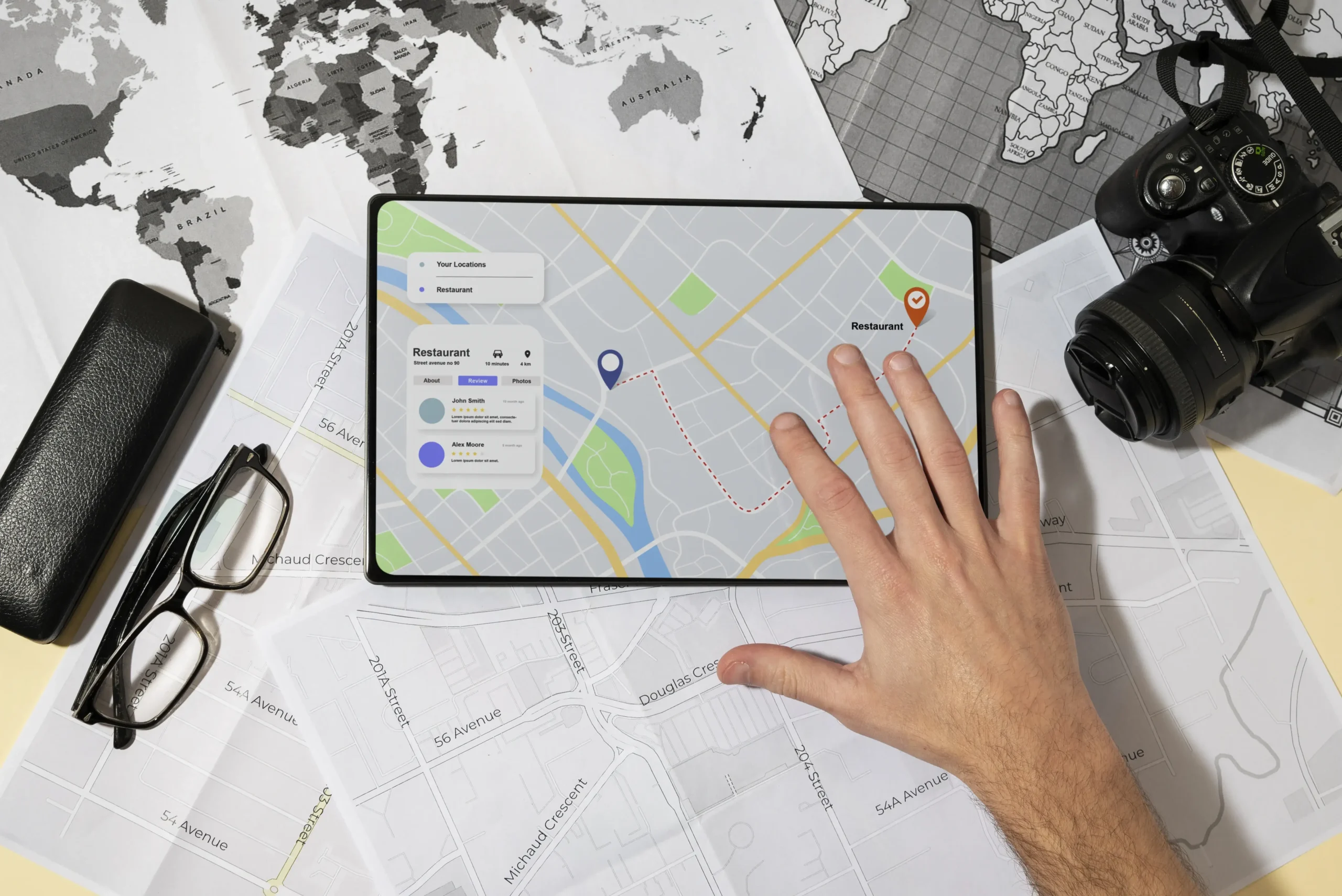
Local SEO (Search Engine Optimization) is the process of optimizing your online presence so that your business appears in Google search results when people nearby search for your products or services. It is specifically focused on attracting customers from a specific geographic area, such as a city, neighborhood, or region.
For example, when someone in Karachi types "best pizza near me" or "digital marketing agency Lahore" into Google, the businesses that appear at the top are there because of strong Local SEO. These results appear in what is known as the "Local Pack" — the map section with three business listings that appears at the top of Google search results.
Regular SEO
- - Targets a national or global audience
- - Focuses on broad keywords
- - Often supports non-location-specific searches
- - Relies mainly on organic website results
Local SEO
- - Targets customers in a specific area
- - Focuses on location-based keywords
- - Includes Google Search and Maps visibility
- - Depends partly on the searcher's location
Key point: Local searches often have clear commercial intent, but visibility does not guarantee visits or sales. Your offer, distance, reputation, availability, and customer experience still influence the outcome.
2. Why Local SEO Matters for Pakistani Businesses
A practical opportunity to reach people searching in your service area.
Customers across Pakistan use Google Search and Maps to compare nearby businesses, services, opening hours, directions, photos, and reviews. A complete, accurate online presence can make an eligible local business easier to discover, particularly when competitors have incomplete information.
- High-intent discovery: Searches that combine a service with a city, neighbourhood, or "near me" phrase often come from people actively comparing options.
- Mobile usability: Many local searches happen on phones, so accurate contact details, directions, readable pages, and tap-to-call actions matter.
- Organic visibility: Search and Maps can generate enquiries without paying for every click, although setup, content, maintenance, and professional support still require time or money.
- Trust signals: Accurate details, useful photos, genuine reviews, and professional responses help potential customers evaluate a business.
- Local relevance: A smaller business can compete for relevant nearby searches when its profile and website accurately match what the searcher needs.
How Google evaluates local results: Google says local visibility is mainly based on relevance, distance, and prominence. You can improve relevance and prominence, but you cannot control the searcher's distance or guarantee a particular position.
3. Step 1 - Set Up Your Google Business Profile
Manage how an eligible local business appears in Google Search and Maps.
Google Business Profile is a no-cost tool for managing how an eligible business appears in Google Search and Maps. It is intended for businesses that meet customers in person, either at a staffed location or by travelling to customers. Online-only businesses and virtual offices are generally not eligible.
How to Set Up Google Business Profile:
- Search for your business on Google Search or Maps before creating a new profile, because an existing listing may already be available to claim
- Use a Google account controlled by the business owner and add trusted managers separately when needed
- Enter the real-world business name without adding keywords, cities, taglines, or promotional wording
- Choose the most specific primary category and add relevant secondary categories
- Show a customer-facing address only if the location is staffed and customers can visit during stated hours
- Use a service area and hide the home address when you travel to customers and do not receive them at that address
- Add an active local phone number, website, hours, and other accurate customer-facing details
- Complete the verification method Google offers; the available method may include video, phone, email, live video, or mail and is not chosen by the business
How to Fully Optimize Your Profile:
- Business Description: Describe what the business offers and whom it serves in clear language. Avoid links, promotions, prices, and keyword stuffing.
- Business Hours: Always keep these accurate and update them for Eid and public holidays
- Photos: Add current, representative photos of the location, products, team, or completed work where appropriate
- Services: List every service you offer with descriptions and prices where possible
- Updates: Use posts for genuine news, events, offers, or service updates when this feature is available for your category
- Questions and answers: Monitor customer questions and answer them accurately without using the feature for promotional spam
- Attributes: Select only attributes that accurately describe the business and are available for your category
Important: Use the name customers see on your real-world signage, stationery, and website. Adding service keywords or city names to the profile name can violate Google's guidelines and may lead to edits or suspension.
4. Step 2 - Find the Right Local Keywords
Target what your customers are actually searching for in Pakistan.
Local keywords are search terms that include a specific location along with a service or product. They are the foundation of your Local SEO strategy. Using the right local keywords on your website helps Google understand exactly where you are and what you offer.
Local Keyword Formula:
[Service/Product] + [City/Area]
Examples for Pakistan:
- "digital marketing agency Karachi"
- "web developer Lahore"
- "wedding photographer Islamabad"
- "best biryani near me Gulshan"
- "accountant DHA Lahore"
- "kids school Bahria Town Rawalpindi"
- "graphic designer Faisalabad"
Free Tools to Find Local Keywords:
- Google Search suggestions: Use autocomplete and related searches to discover wording worth investigating. Suggestions are not exact search-volume data.
- Google Keyword Planner: Use location targeting to estimate demand, but treat the figures as planning ranges rather than exact forecasts.
- Google Search Console: Review queries already generating impressions and clicks for your verified website.
- Google Trends: Compare topics and seasonal interest, while remembering that low-volume local queries may not return enough data.
- Customer language: Record the phrases people use in calls, WhatsApp messages, enquiries, and in-store questions.
Practical test: A Lahore catering company could create useful pages for genuinely distinct services such as wedding catering and corporate catering, then measure impressions, calls, form submissions, and qualified enquiries. Do not create near-duplicate pages only to target keyword variations.
5. Step 3 - Optimize Your Website for Local SEO
On-page changes that tell Google exactly where your business is located.
Your website needs to clearly signal to Google that you serve customers in a specific city or area of Pakistan. Here are the key on-page Local SEO optimizations every Pakistani business website needs:
Title Tags and Meta Descriptions:
- Use a descriptive page title that reflects the service and relevant location when location is central to the page
- Example: "Digital Marketing Services in Karachi | Digitalboxes"
- Write a useful meta description that accurately summarizes the page; Google may generate a different search snippet
NAP Information (Name, Address, Phone):
- Display the correct business name, address or service-area details, and phone number where customers expect to find them
- Use a footer or contact section when site-wide details are helpful
- Keep core information meaningfully consistent across your website and major profiles
- Present important contact details as readable text and actionable links
Location Pages:
- Create a separate page for a real staffed location or a genuinely distinct service area only when the page helps users
- Include location-specific services, access information, hours, contact details, proof, and useful local context
- Avoid swapping city names into otherwise identical pages; thin doorway pages can violate Google's spam policies
- Use a map when it helps customers reach a customer-facing location, not as a ranking shortcut
Schema Markup (LocalBusiness):
- Add the most specific valid LocalBusiness subtype when it accurately represents the business
- Keep structured data consistent with visible information such as the name, address, phone number, URL, and hours
- Use a suitable WordPress SEO or schema tool and validate the output with Google's Rich Results Test
Local Content:
- Write blog posts about local topics related to your industry
- Example for a real estate agency: "Best Residential Areas to Buy a Home in Lahore in 2026"
- Mention local landmarks, neighborhoods, and areas naturally in your content
Measurement note: Track Search Console impressions and clicks alongside calls, direction requests, forms, and qualified leads. Schema and on-page edits can improve clarity, but they do not guarantee a position or a fixed timeline.
6. Step 4 - Build Local Citations
Get your business listed on Pakistani and global directories.
A local citation is an online mention of a business, often including its name, address, and phone number. Accurate listings on relevant platforms can help customers find and verify your details. Listing volume alone does not guarantee higher rankings, so prioritize sources your audience actually uses.
Relevant Places to Consider:
- Google Business Profile: For eligible businesses that meet customers in person
- Apple Business Connect: To manage how a business appears across Apple services where supported
- Bing Places: To manage business information shown in Bing search and maps experiences
- Industry platforms: Use established marketplaces or directories only when they genuinely match your sector and location
- Local associations: Consider legitimate chambers, trade bodies, and professional membership directories you actually belong to
Profiles That Support Customer Discovery:
- Facebook: Useful when customers actively use it to evaluate or contact businesses in your category
- LinkedIn: Relevant for B2B companies, employers, consultants, and professional services
- Sector-specific platforms: A real estate, hospitality, healthcare, food, or retail platform may be more valuable than a generic directory
- Your own website: Keep the contact page, location details, and business information current
Quality rule: Keep the core name, location, phone number, and website accurate. Harmless formatting differences such as "Street" versus "St" are less important than conflicting phone numbers, wrong addresses, duplicate profiles, or an outdated business name.
7. Step 5 - Get and Manage Online Reviews
Use genuine customer feedback to support trust and local prominence.
Google says review count and positive ratings can contribute to local prominence, but reviews are only part of the picture. Relevance, distance, competition, website visibility, and other signals also affect local results. A fair, policy-compliant review process is valuable for customer trust even when rankings do not change.
How to Get More Google Reviews:
- Ask consistently: Invite customers to share an honest review without asking only those you expect to be positive
- WhatsApp follow-up: With appropriate consent, send the same neutral review request to eligible customers and include a direct review link
- QR Code at your shop: Print a QR code that links directly to your Google review page and display it at your counter or billing area.
- Add a review link to receipts: Include your Google review link at the bottom of invoices and receipts.
- Never incentivize reviews: Do not offer discounts, gifts, payments, or services in exchange for a review, revision, or removal
- Respond professionally: Acknowledge useful feedback without exposing private customer information
How to Handle Negative Reviews:
- Always respond calmly and professionally, never defensively
- Acknowledge the issue and apologize where appropriate
- Offer to resolve the problem offline with a contact number
- Do not pressure the reviewer to change or remove genuine criticism
- Report a review only when it appears to violate Google's content policies, not simply because it is negative
Policy reminder: Review gating, selective positive-review requests, incentives, and unusual review-generation patterns can violate Google's policies. Build a steady process that reflects genuine customer experiences.
8. Step 6 - Build Local Backlinks
Get other Pakistani websites to link to yours for stronger authority.
Links can help search engines and customers discover a business, but relevance and editorial value matter more than a site's country domain or a fixed number of links. Focus on legitimate relationships and useful local resources, not purchased links or schemes designed to manipulate rankings.
Best Ways to Get Local Backlinks in Pakistan:
- Earn editorial coverage: Give local journalists or specialist publications a genuinely newsworthy story, original data, or useful expert commentary
- Support real events: Sponsor or participate in a relevant community event because it fits the business, not solely to obtain a link
- Create useful partnerships: Publish authentic supplier, venue, association, or partner information that helps customers
- Join legitimate organizations: Use membership listings from chambers, professional bodies, or trade groups the business actually belongs to
- Publish link-worthy resources: Create local guides, calculators, research, checklists, or data that others may choose to reference
- Work with education responsibly: Genuine internships, training, scholarships, or collaborations may merit a mention; do not manufacture arrangements for links
Avoid shortcuts: There is no reliable number of links that guarantees improvement. Buying links, mass guest posting, excessive reciprocal linking, or publishing low-value press releases mainly for links can create risk under Google's spam policies.
9. Step 7 - Mobile Optimization for Local SEO
Make it easy for mobile visitors to find information and take action.
Google uses the mobile version of a site's content for indexing and ranking. A slow or difficult mobile experience can also reduce calls, bookings, directions, and enquiries. Mobile usability matters, but no single speed score guarantees a ranking change.
Mobile Optimization Checklist for Pakistani Businesses:
- Core Web Vitals: Use Search Console field data where available and PageSpeed Insights for diagnostics. Good targets are LCP within 2.5 seconds, INP under 200 milliseconds, and CLS at 0.1 or less at the 75th percentile.
- Responsive Design: Your website must automatically adjust to fit any screen size. Test it on multiple phone models common in Pakistan.
- Clickable Phone Number: Your phone number should be a tap-to-call link so mobile users can call you with one tap.
- Easy Navigation: Menus should be simple and thumb-friendly. Avoid small links that are hard to tap on a touchscreen.
- Efficient Media: Resize images correctly, use modern formats when suitable, compress them, and lazy-load below-the-fold media.
- Avoid Intrusive Interstitials: Do not cover the main content with disruptive popups, particularly when a visitor arrives from search.
Test in context: Use PageSpeed Insights, Search Console, and real mobile devices. Prioritize problems that affect field performance or block customers from reading, calling, booking, navigating, or completing a form.
10. Best Free Local SEO Tools for Pakistani Businesses
No-cost Google tools for managing visibility and measuring performance.
Paid SEO software is optional. Start with these no-cost tools, then add specialist software only when its data or workflow justifies the cost:
Google Business Profile Manager
Eligible businesses can manage information, photos, reviews, updates, and performance from Google Search and Maps.
Google Search Console
Review sampled search queries, pages, countries, devices, indexing reports, enhancements, and Core Web Vitals data. Search Console does not reveal every query or every technical issue.
Google PageSpeed Insights
Compare available Chrome field data with Lighthouse lab diagnostics and identify opportunities to improve loading, responsiveness, and visual stability.
Google Rich Results Test
Validate supported structured data and identify critical errors before or after publishing LocalBusiness markup.
Google Analytics 4
Measure website sessions and configured events such as form submissions, phone-link clicks, or booking actions. Configure consent and privacy settings appropriately.
11. Common Local SEO Mistakes Pakistani Businesses Make
Avoid these costly errors that hurt your local rankings.
These issues can weaken customer trust, create policy risk, or make it harder for search systems to understand a business:
- Conflicting Business Information: Different phone numbers, old addresses, duplicate profiles, or invented locations can confuse customers and create verification problems.
- Incomplete or Ineligible Profiles: Missing hours and contact details reduce usefulness, while virtual offices, keyword-stuffed names, or online-only businesses can violate profile rules.
- Review Manipulation: Incentives, review gating, purchased reviews, and pressure to remove criticism can violate Google's policies.
- Thin Location Pages: Creating near-duplicate city pages without unique value can produce a poor experience and resemble doorway abuse.
- Keyword Stuffing: Repeating locations unnaturally harms readability and does not make a page more useful.
- Poor Mobile Experience: Slow loading, unreadable text, broken forms, or hard-to-tap controls can reduce conversions and weaken page experience.
- Weak Measurement: Rankings vary by searcher and location, so track qualified calls, forms, bookings, direction requests, and revenue where possible.
12. Frequently Asked Questions
Common questions from Pakistani business owners about Local SEO.
Q: How long does Local SEO take to show results in Pakistan?
There is no reliable fixed timeline. Results depend on competition, proximity, business prominence, profile eligibility, website condition, previous SEO work, and how quickly Google processes changes. Establish a baseline and review meaningful trends over several months rather than expecting a guaranteed date.
Q: Do I need a website for Local SEO?
An eligible business can have a Google Business Profile without a website. A useful website is still valuable because it gives customers detailed service, location, trust, and conversion information while supporting visibility in organic search.
Q: Is Local SEO free?
Google Business Profile, Search Console, Analytics, PageSpeed Insights, and several other tools have no direct fee. However, research, content, photography, development, customer service, monitoring, and professional support can require time or money. Free tools do not guarantee results.
Q: Does my business need to be registered to appear on Google?
Google's eligibility rules focus on whether the business makes in-person contact with customers, not on one universal registration document. Google may request evidence during verification. A home-based service business may hide its address and use a service area when it travels to customers and does not serve them at home.
Q: Can I do Local SEO for multiple locations in Pakistan?
Yes, but create a separate Business Profile only for each eligible, genuinely staffed location that follows Google's rules. A service area alone does not justify another profile. Build a location page only when it provides unique, useful information for customers in that place.
Q: Should I do Local SEO in Urdu or English?
Use the language your customers use when searching and making decisions. Search Console queries, customer messages, calls, and sales conversations can guide the choice. English, Urdu, Roman Urdu, or a clear bilingual approach may be appropriate; avoid low-quality automatic translation.
Conclusion
Local SEO can be a valuable acquisition channel for an eligible Pakistani business, particularly when customers search by service and location. It complements paid advertising, referrals, social media, and offline marketing; it does not replace them or guarantee continuous enquiries.
Start with accurate business information, a policy-compliant Google Business Profile, a useful mobile website, relevant service and location content, and a fair process for requesting genuine reviews. Choose listings, partnerships, and links because they help customers, not because they promise a shortcut.
Treat local visibility as ongoing operational work. Keep hours, services, photos, locations, and contact details current; respond to customers; monitor performance; and improve pages based on evidence. Measure business outcomes rather than relying on one ranking checked from one device.
Found this guide helpful? Share it with a Pakistani business owner who needs more customers. And explore more digital marketing, SEO, and AI guides at Digitalboxes.net.